Chama members have often invited me to their routine meetings to give a professional perspective on sex matters. At one recent meeting, the chairlady opened with a puzzle.
“One of our members has noticed some strange behaviour in her husband, and we would like your opinion,” she said. “He has been eating a lot of groundnuts, supposedly to improve his sexual performance.”
“Some men are also scrambling for street porridge these days, supposedly to boost their libido,” added the vice chairperson. “They call it ‘uji power’ , and nobody knows what is in it.”
“In my culture, people chew a root called mkombero , and they say it works wonders in the bedroom,” said another member.
The women explained that whenever they complained about reduced intimacy, their husbands turned to special foods for a fix. They wanted to know whether any foods really increase sexual vitality, especially desire in men.
“You see, the men have become so busy and stressed that most marriages are starting to suffer,” a member interrupted. “By the time they reach the bedroom, all they can do is snore. They have no desire or energy.”
I told them the story of aphrodisiacs is an old one. For centuries, men and women have used certain foods and herbs to improve sexual performance. Science supports some of these foods, which work in three ways: some contain nutrients that raise testosterone levels, some contain dopamine, which is linked to sexual excitement, and some improve blood flow to the sex organs, which can reduce erectile difficulties.
“Then tell us which foods,” a member said, giggling. “They say the way to a man’s heart is through his stomach. Now we can add that it is a way to his manhood too.”
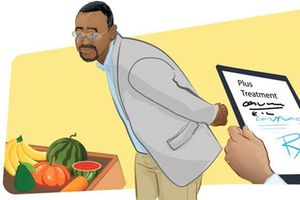
Start with watermelon. Up to 92 per cent of this fruit is water, but the remaining 8 per cent contains important compounds. One of them, citrulline, helps widen blood vessels and increases blood flow to the penis, which supports firmer erections. Its effect is milder than that of Viagra, but it works in a similar direction.
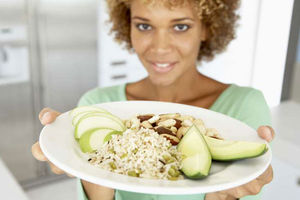
If watermelon is out of season, try avocado. The word “avocado” comes from an indigenous Mexican word meaning “testicle”, because of the fruit’s shape. Avocados contain folic acid, vitamin B6 and potassium, all of which help the body produce testosterone and so support libido in both men and women.
If you cannot find watermelon or avocado, bananas are a good substitute. They are rich in vitamin B and potassium, which also support testosterone production.
Zinc-rich foods are another good choice, since zinc is essential for making testosterone. Pumpkin seeds are an excellent source, yet most people throw them away. Cashew nuts and almonds are also rich in zinc, and they add selenium and vitamin E. Together, these nutrients boost libido and improve fertility.
If you love tea, choose ginger tea or ginseng tea. Both are stimulants that can enhance libido. In a University of Hawaii study, women who took ginseng supplements reported a marked increase in libido within a month. Quality matters, though: some products labelled as ginger or ginseng contain other ingredients, such as excessive sugar, and can do more harm than good.
Do not forget eggs. They are rich in protein, which is vital for general energy and libido. They also contain L-arginine, which has been shown to support erections, and vitamin B6, which the body needs to make sex hormones.
If you like seafood, try oysters, which have long been used as aphrodisiacs. They contain zinc for testosterone production and dopamine, which is linked to sexual excitement.
Salmon is a good alternative to oysters. It is rich in omega-3, an important libido booster. Walnuts and herring are also good sources of omega-3.
In short, your man can eat at least one libido-boosting food a day to sustain his vitality. Remember, however, that these foods do not treat erectile dysfunction. They only support normal sexual function in men who do not have a medical problem.
“We will adjust our home menus to make sure this happens,” the chairlady concluded, bringing the meeting to a close.