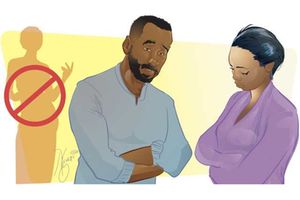
James was a deeply disturbed man, traumatised by the pleasure and demands of two concurrent love affairs. He was seated in front of me in the consultation room at the Sexology Clinic. He removed his handkerchief and wiped the sweat that had built up at the tip of his nose.
“Whatever you decide, make sure you and both women are safe,” I said.
James, a chief executive officer of a government parastatal, was in love with his secretary. They went on business trips together and stayed an extra day or two to have fun. Back in the office, they normally went out several evenings a week. After enjoying dinner and a drink, they would drive to Jacky’s apartment and indulge sexually.
"I pay her rent, give her a monthly allowance, and I am paying for her Master’s degree."
However, it was not the money or the time spent nurturing the relationship that worried James. He was a married man in his mid-forties. His wife was, and they had three children whom they needed to bring up well. During their 11 years of marriage, they had been happy and focused.
Furthermore, James was religious, and his faith did not permit polygamy. If word got out that he was involved with his secretary, it would be disastrous.
"I have tried to end this relationship without success," he lamented, "and I can’t blame my secretary for its failure because we have both enjoyed it."
This is why James came to the clinic for help. How do you extricate yourself when you are already deeply involved in a second relationship, and you are married?
This is a common occurrence nowadays. It doesn't matter if the person involved is married or not; people get tangled up, and sometimes things end up badly when they try to disengage. There have even been cases of violence and death tied to these love triangles.
Research studies have been conducted to investigate why married people seek out such situations. Two things are clear: that relationships are characterised by two broad needs that may be difficult for a single partner to fulfil.
Most married people need a spouse. Such a person would be a good parent to your children. They could also provide for your material needs. They fulfil religious and cultural obligations within your family life. According to the marital vows, they are your lifelong companion, "until death do us part".
When serious personal and family decisions need to be made, you turn to your life companion for advice and support. Generally, you are willing to take responsibility for the well-being and future of your spouse.
However, something fades in companion relationships over time. Call it the passion, lust or exciting love of the early days of a relationship. This is a second natural need that lingers. It overpowers us and removes reason. You talk to your extramarital partner and instantly feel excited. You want to text them late at night. If you give in to sex, you become hooked and want to do it again and again.
"That's why I can't stop," James quipped. "I seriously need help."
You feel guilty about your actions. You keep the relationship a secret. Sometimes, you make serious investments to maintain it. You learn to live a double life, evading the scrutiny of religion and culture.
When asked if you would divorce your current partner for a new romantic interest, you often say that you cannot. Yet you see the second partner as a bad person. You even hate them sometimes.
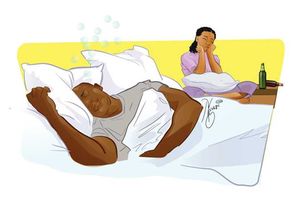
Trouble begins when you are unable to provide the emotional and physical intimacy that your first partner needs. Your body betrays you because it is more attuned to your new partner. This inability stresses you out, and sometimes you threaten to leave your second relationship. Your threats to leave your second partner may be met with revenge. There are threats to expose your double life. In these circumstances, violence and even threats to your life become a real possibility.
"Please help me," James interjected, sounding distressed by my explanation. " I am at risk of very serious backlash that will affect me forever if this situation is not managed well."
Depending on your values, you have two options: you can agree with your second partner to part ways amicably, even if it means paying damages; or, if this is not possible, you can make the relationship public and declare polygamy.
With that, James left to reflect. I did not hear from him for three months, until he called me to report that he had fallen ill with severe depression after our meeting. During his depression treatment, his secretary was transferred to a different department.
She had kept her distance during his treatment. James cut off all communication with her too. I concluded that concurrent love relationships are not for the weak and that you should be very aware of their shortcomings before you fall victim.