Myths and conspiracy theories aside, scientific evidence shows that Ebola can be transmitted sexually. That was my answer to Japheth when he visited the Sexology Clinic. He is a health worker who attends to patients every day and fears that one day he may come into contact with an Ebola patient and contract the disease.
“I do not fear doing the work,” he says. “For me, it is a divine call to serve humanity, and whether our countrymen and women appreciate it or not, I will do it wholeheartedly.”
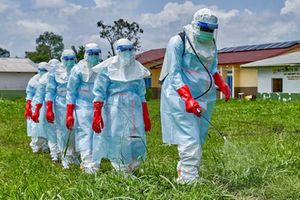
Japheth exemplifies the anxiety and resolve that health workers experience as they manage the current Ebola situation. In the bigger picture, they offer their service to the nation, but at a personal and family level, they worry about their own lives and those of their loved ones. In fact, some are stigmatised by the very communities they selflessly serve because they are seen as potential sources of infection.
“So, should I be unfortunate enough to contract the disease, how do I manage my sexuality?” he asked, a wry smile spreading across his face. “You know we have conjugal duties. We have to keep our marriages going.”
Well, if one comes into contact with an active Ebola case, they should isolate themselves. The government has identified isolation centres where they can be monitored. If they develop symptoms, they are tested to confirm whether they are infected. Appropriate treatment is then provided, with the hope that they recover.
To avoid transmitting the disease to loved ones, one should avoid bodily contact of any kind, sexual or otherwise, during the 21-day incubation period and throughout the active phase of the disease until full recovery.
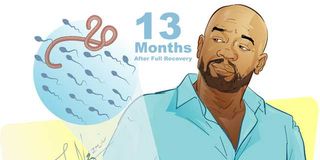
When it comes to sexual transmission, however, the story goes beyond recovery in hospital. It is known that the virus can persist in semen for months. In other words, a man who has fully recovered from Ebola may continue to shed the virus in his semen, potentially for as long as 13 months.
Potentially, women could harbour the virus in vaginal secretions too, but scientifically, this has not been fully confirmed. Therefore, when it comes to preventing sexual transmission of Ebola, the greater concern is preventing recovered men from transmitting the virus, now that there is clear evidence of this risk, while also exercising caution about the possibility of transmission by women.
“That’s confusing!” Japheth said, throwing his hands in the air.
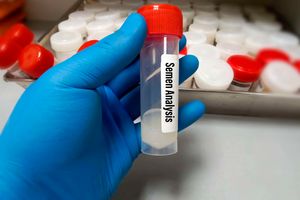
Going forward, if you have a male partner who has recovered from Ebola, he should undergo semen testing to confirm whether the virus has cleared. Normally, testing is done three months after recovery. If the result is positive, testing is repeated monthly until a negative result is obtained. This can take many months. However, it is unusual for the test to remain positive beyond a year.
During the period when semen tests remain positive, a couple can choose to abstain from sex. Alternatively, condoms can be used to reduce the risk of transmission. Please note that any form of penetrative sex—whether vaginal, anal or oral—can transmit the disease if a condom is not used. If condoms are used, they should be removed and disposed of safely.
For those who masturbate, it is important to note that the semen released could be infectious. Any contaminated linen should be handled and disposed of safely to protect loved ones.
“Now, you know men do get wet dreams, doctor, and they have no control over this,” Japheth said. “How do you manage that?”
Sleeping in underwear that can absorb the ejaculate, with an additional pair of pyjamas on top, should help. If a wet dream occurs, remove the soiled clothing, wash and disinfect it with chlorhexidine (Jik) or another appropriate disinfectant, and clean yourself to minimise the risk to your partner.
Although women have not been proven to transmit the virus after recovering from the disease, it is still prudent to use condoms for a year as an added precaution.