Most men will experience a weak erection at some point in their lives. It can happen after a stressful week, a sleepless night or one drink too many. But when it becomes a recurring problem, experts say it should not be brushed aside as an inevitable part of ageing or a blow to a man's masculinity.
"A weak erection is commonly used to describe an erection that is not sufficiently firm for satisfactory sexual activity, one that does not last long enough, or difficulty achieving an erection in the first place," says urologist Dr Vic Albert.
"Medically, we use the term erectile dysfunction (ED), which refers to a persistent or recurrent inability to achieve or maintain an erection sufficient for satisfactory sexual performance."
He adds that doctors become concerned "when the problem is consistent, recurrent or causing distress," not after an isolated episode.
One question many men ask is how long an erection should last. Dr Albert says there is no ideal number of minutes.
"The important question is whether he can achieve and maintain adequate rigidity for satisfactory sexual activity," he says, noting that sexual experiences differ from one couple to another.
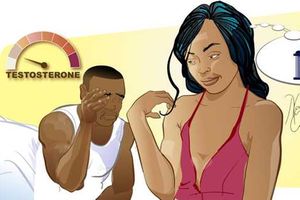
Psychological issues, such as anxiety and stress, play a significant role in erectile dysfunction.
Many men also blame age when their erections change. While ageing does affect sexual function, Dr Albert says it should not automatically be blamed for erectile dysfunction.
"A healthy older man can remain sexually active and have satisfactory erections," he says. "When erection quality changes significantly, particularly relatively suddenly, we should look for potentially reversible causes rather than simply saying, 'You are getting older.”
Performance anxiety is another major culprit. According to Dr Albert, one disappointing sexual experience can trigger a cycle in which a man becomes so worried about losing his erection that the anxiety itself makes it happen again.
"Not every episode of erectile difficulty represents a physical disease," he says. "Sometimes the treatment involves breaking this cycle through reassurance, communication, behavioural changes and, where necessary, psychosexual counselling." At the same time, he cautions that "persistent ED should not automatically be labelled psychological" because physical and psychological factors often exist together.
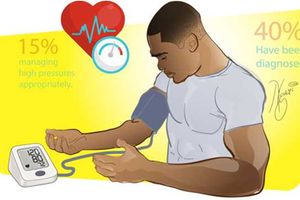
"Physical causes include diabetes, hypertension, high cholesterol, obesity, cardiovascular disease, smoking, hormonal disorders, neurological disease, pelvic surgery or radiation and certain medications," says Dr Albert. He adds that performance anxiety, chronic stress, depression, relationship conflict and fear of sexual failure can also interfere with erections.
Lifestyle also matters. Smoking, excessive alcohol, obesity, lack of exercise and poor sleep can all affect erection quality.
"Men need to understand that an erection is a physiological response, not a switch that can simply be turned on and kept on indefinitely," Dr Albert says. "Reducing pressure to 'perform', allowing more time for arousal, communicating with one's partner and focusing on mutual sexual pleasure rather than erection hardness can be very helpful."
Perhaps the most important message is that erectile dysfunction may be an early warning sign of other illnesses.
"It can sometimes precede the diagnosis of cardiovascular disease by several years," Dr Albert says. "Therefore, a man presenting with new erectile dysfunction should not always be given an erection tablet and sent home without considering his overall cardiovascular and metabolic health."
Treatment depends on the underlying cause. Lifestyle changes, controlling diabetes or high blood pressure and stopping smoking are often the first steps. Oral medicines such as sildenafil and tadalafil help many men, although Dr Albert notes that they "do not automatically produce an erection; sexual stimulation is still required." Other options include vacuum erection devices, injectable medication, penile implants and psychosexual counselling where anxiety or relationship issues are involved.
“One of the major myths is that a man should always be able to get an erection whenever he wants. That is not how normal sexual physiology works," he says. He also challenges the belief that erection problems mean a man has lost his masculinity or is no longer attracted to his partner, saying neither is necessarily true.
"Don't suffer silently and don't self-medicate," Dr Albert says. "An erection problem may be the first visible sign of an underlying condition such as diabetes, hypertension or cardiovascular disease."