Former Nairobi Governor Mike Sonko has returned to the High Court seeking to overturn the decision to uphold his impeachment, arguing that misconduct by one of the judges involved in the case compromised his right to a fair hearing.
Mr Sonko wants the court to declare the June 24, 2021 judgment a nullity and invalidate subsequent appellate rulings. He also seeks interim orders stopping reliance on the High Court decision to determine the fate of his political leadership pending the petition.
He argues that the judgment continues to harm his rights and could affect his ability to seek elective office or pursue future political leadership.
The central dispute is whether the judgment, which was delivered by a three-judge bench and was subsequently upheld in the ordinary appeal process, can be challenged because of later findings about the conduct of one of the judges involved in the case.
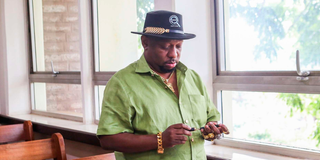
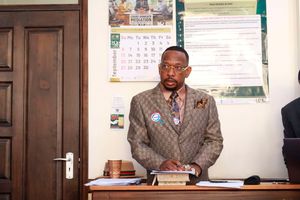
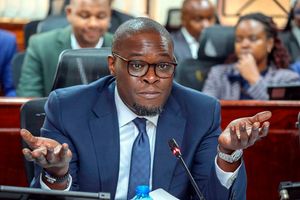
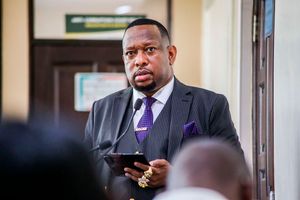
Former Nairobi Governor Mike Sonko testifies at the Milimani Anti-Corruption Court on October 13, 2026 during the hearing of his ongoing corruption case.
Photo credit: Billy Ogada| Nation Media Group
Mr Sonko says the findings against former High Court judge Said Juma Chitembwe undermine confidence in the process and raise questions about his constitutional right to a fair hearing.
The petition names the Judicial Service Commission and Attorney-General as respondents. The Independent Electoral and Boundaries Commission, Busia Senator Okiya Omtatah, Nairobi County and the Senate are among those named as interested parties.
Sonko was elected Nairobi Governor in August 2017 and was removed from office by the Senate on December 17, 2020. This was after the Nairobi County Assembly impeached him over gross violations of the Constitution and other laws, abuse of office, gross misconduct and alleged crimes under national law.
A three-judge High Court bench comprising Justices Chitembwe, Weldon Korir and Wilfrida Okwany upheld the impeachment on June 24, 2021. The Court of Appeal upheld that decision on March 4, 2022, and the Supreme Court dismissed Mr Sonko’s appeal on July 15, 2022.
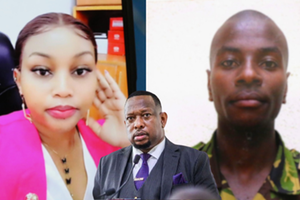
Mr Sonko’s new case centres on proceedings that led to Mr Chitembwe’s removal as a judge. The Judicial Service Commission initiated an inquiry after audio and video recordings featuring Mr Chitembwe and linked to Mr Sonko were circulated publicly.
The tribunal heard recordings and testimony about meetings Mr Chitembwe was involved in, with discussions on property transactions and possible grounds for the former governor to appeal the impeachment judgment.
Justice Said Chitembwe at Milimani Law Courts in Nairobi in 2011.
Photo credit: File | Nation
The tribunal found that the alleged misconduct against Mr Chitembwe had been proved and recommended his removal. In its report, it said “the allegations were established to the required standard of proof.” On December 28, 2023, the Supreme Court dismissed Mr Chitembwe’s appeal and upheld the tribunal’s recommendation.
Mr Sonko argues that those findings are material because they concern the independence and impartiality of the process that determined his case.
In his petition, he alleges “violations of Article 160 that guarantees judicial independence” and of Article 50(1), which guarantees a fair hearing.
He says State institutions and third parties continue to rely on the judgment, harming his political rights, reputation and livelihood.
Mr Sonko alleges that continued reliance on the impeachment judgment has damaged his commercial interests, claiming that some third parties withdrew from business arrangements with him because the ruling remains in force.
He says the judgment’s continued use has also harmed his reputation and political prospects, exposing him to ongoing financial and other losses.
The fresh challenge follows an earlier attempt to reopen the matter. In July 2024, the Supreme Court rejected Sonko’s application to introduce additional evidence and review its 2022 decision.
The court said it was “not convinced of the relevance” of evidence about Mr Chitembwe’s misconduct to Sonko’s impeachment case, and ruled that the application did not meet the legal threshold for additional evidence.
Justice Gregory Mutai on Monday issued directions ordering Sonko to serve the respondents and interested parties within seven days, after which they have 14 days to respond.
The written submissions are scheduled to be highlighted on January 25, 2027.
The case places before the High Court a dispute over the legal consequences of later-established judicial misconduct for a decision already upheld through the appeal courts.