From selling flour on the streets of Mombasa to preaching the end of the world, Paul Nthenge Mackenzie’s journey from a struggling trader to the centre of the Shakahola tragedy has been marked by growing religious influence, warnings from authorities and serious criminal charges.
The founder of Good News International Church attracted followers with his teachings on Biblical prophecy and the end times.
His name became synonymous with one of Kenya’s deadliest cult-related tragedies after investigators uncovered mass graves in Shakahola Forest , Kilifi County, in 2023.
Born in 1973 in Lunga Lunga, Kwale County, Mackenzie was the fifth-born in a family of 10 children. He attended Mwalewa Primary School before proceeding to Lukore Secondary School.
His younger brother Robert Mbatha described him as an obedient and quiet child who did not stand out among his siblings in an earlier interview with the Nation .
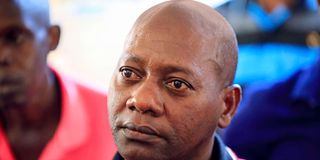
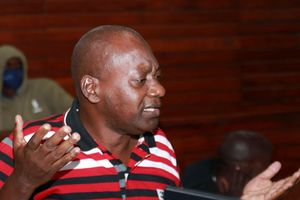
Pastor Paul Mackenzie before Mombasa Chief Magistrate Alex Ithuku on November 10, 2025.
Photo credit: Kevin Odit | Nation Media Group
After secondary school, Mackenzie moved to Likoni, Mombasa, where he lived with his elder brother. Unable to secure formal employment, he sold flour using a handcart before training as a driver.
He later moved to Malindi where his sister helped him acquire a vehicle for a taxi business. By 1999, he had settled in the coastal town where he combined driving with attending church services.
According to his relatives, he later claimed to have received a divine calling to preach. He began preaching at another church before being invited to minister at Malindi Fellowship Baptist in 2003.
He subsequently established Good News International Church, building a following around his interpretation of biblical prophecy and warnings about the end of the world.
His ministry extended beyond church services through television and online platforms. His Times TV channel broadcast his “End Time Messages”, which included teachings that drew controversy, particularly his opposition to formal education.
In 2017, Mackenzie faced arrest over allegations of radicalisation and encouraging parents to withdraw their children from school. The controversy brought his teachings to the attention of authorities but did not end his religious activities.
In 2019, he reportedly closed his church and moved away from Malindi, telling relatives that he intended to pursue farming. A relative said he had indicated that his preaching mission was complete.
His activities in Shakahola would later become the subject of investigations into the deaths of his followers.
In March 2023, Mackenzie was arrested following the deaths of children whose parents were accused of starving them. He was released on bond before investigators intensified their search in Shakahola after receiving reports of people living in the forest.
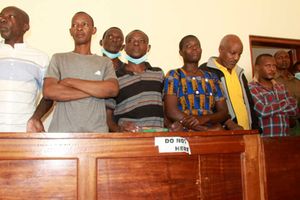
Paul Mackenzie during the hearing of his case at Mombasa Law Courts on July 17, 2026.
Photo credit: Kevin Odit | Nation Media Group
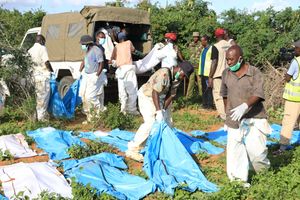
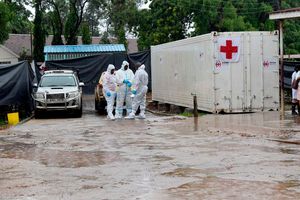
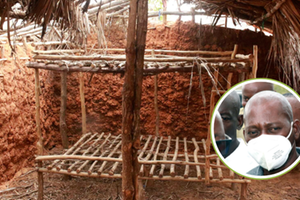
The discovery of starving survivors and mass graves exposed the scale of the tragedy, triggering national outrage and questions about why earlier warnings had not prevented further deaths.
Investigators alleged that Mackenzie used extreme religious teachings to persuade followers to fast to death in preparation for meeting Jesus Christ. Hundreds of bodies were subsequently recovered, including those of children.
The case raised questions about religious radicalisation, the vulnerability of followers and the oversight of religious organisations.
Paul Mackenzie of the Good News International Church during an interview with the ‘Nation’ in Kilifi County on March 24, 2023.
Photo credit: File | Wachira Mwangi | Nation Media Group
In January 2026, the prosecution closed its case against Mackenzie and 96 co-accused in the main Shakahola trial. The proceedings concern allegations linked to the radicalisation and deaths of followers.
In February 2026, Mackenzie and seven associates were also charged in connection with 52 deaths linked to suspected graves near Kwa Binzaro. The accused pleaded not guilty.