The HIV and Aids Tribunal has ordered a man to pay his former wife Sh900,000 for unlawfully disclosing her HIV status to relatives, her church and community members during their marriage.
The tribunal found that the disclosures violated the HIV and Aids Prevention and Control Act. It awarded damages for breach of confidentiality and psychological trauma, and barred the man from revealing her status again.
The woman, codenamed LGG, filed a claim on May 25, 2026, accusing her former husband, GMM, who is also a preacher, of exposing her medical condition without consent.
She sought compensation for discrimination, psychological abuse, loss of dignity and economic loss, saying she suffered stigma, humiliation and mental anguish.
The dispute arose from a marriage that produced three children before the couple divorced in 2016. The woman told the tribunal that she had supported her husband financially and emotionally while he pursued his education, meeting household expenses during their marriage.
She said their relationship deteriorated after she was diagnosed with HIV. According to her testimony, her husband began telling her that she would die soon because of the virus and threatened to deny her money and property because of her condition.
LGG further accused him of withholding financial support, interfering with her employment and using her HIV status to humiliate her during domestic disagreements.
The woman said her former husband disclosed her status in proceedings at the Nairobi Chief Magistrate's Court, during their divorce and children's cases, and at a Methodist Church of Kenya service.
She maintained that the disclosures exposed her to stigma and affected her dignity, relationships and mental health. She said she was forced to disclose her status in family and children's courts, but admitted she had no documents on the divorce proceedings to prove what was said there.
The woman sought compensation for discrimination, psychological abuse, loss of dignity and economic loss.
To support her claim, she called three witnesses, including a neighbour, a church member and her sister. The neighbour testified that she heard the man shout in Kikuyu that the woman was sick and had HIV, and that he made similar remarks to community members.
The witness, however, could not identify everyone who allegedly heard the remarks or give precise dates.
Another witness, from the church, told the tribunal that she attended a church service where the man allegedly addressed the congregation and said LGG "is positive and infected with HIV."
In defence, GMM, who described himself as a seasoned preacher, denied the allegations. He said he had supported his former wife after learning of her HIV status and attended two years of couples' therapy with her. He maintained that their disagreements were matrimonial matters unrelated to her condition.
A church official, who testified in his defence, also rejected the allegation, saying he neither witnessed nor heard about such disclosure. He produced a duty rota which did not list the respondent as the presiding clergy on the alleged day.
The woman's sister gave evidence of another incident, when she alleged the man assaulted LGG in her presence and that of their brother. She testified that GMM told the woman to leave the matrimonial home and go to the person who had infected her with HIV.
In its judgment, the tribunal found supporting evidence in a letter from a village chief stating that LGG had reported being chased from her home and slapped in her brother's presence.
The tribunal found some disclosures had been proved but rejected the church allegation for insufficient evidence. It could not establish whether her status was disclosed during divorce proceedings because the complete court records were not provided.
It said disclosure required proof that another person received the information without the claimant's consent. It cited Section 22(1)(a) of the Act, which states: “No person shall disclose any information concerning the result of an HIV test or any related assessments to any other person except with the written consent of that person.”
It also rejected her claim for economic loss. The woman's termination letter from a private school did not give a reason for dismissal or prove that her former husband interfered with her employment.
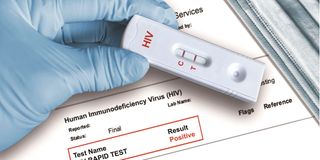
HIV Testing Strip. A woman filed a claim accusing her former preacher husband of exposing her medical condition without consent.
Photo credit: File
A psychiatrist's letter dated April 24, 2026, showed she had received psychosocial therapy at a clinic, experienced distress and had suicidal thoughts while struggling with the separation.
The tribunal said the unlawful disclosure had caused psychological trauma, but noted that the divorce and unresolved property issues had also affected her mental health.
“While we cannot down play the psychological trauma suffered by the claimant due to unlawful disclosure of her HIV status, we note that the separation and issue of property has equally played a big role in affecting her mental health. These are issues that this Tribunal does not have jurisdiction over as they fall under the Family Court,” said the Tribunal.
It declared the disclosure unlawful and restrained the man from revealing her status. She was awarded Sh400,000 for psychological trauma, in addition to Sh500,000 for unlawful disclosure.