The birth of a rare set of elephant twins has brought joy to the Amboseli ecosystem in Kajiado County, offering a glimmer of hope for wildlife conservation in a region recently shaken by the mysterious deaths of 18 elephants.
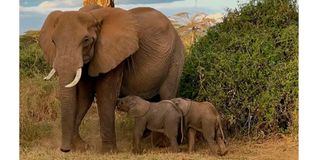
The calves were born on October 7 to Twain, a 30-year-old elephant from the TC family in Kimana Sanctuary. The birth marks the sixth recorded set of elephant twins in Amboseli’s history, a rare occurrence estimated to account for less than one per cent of wild elephant pregnancies.
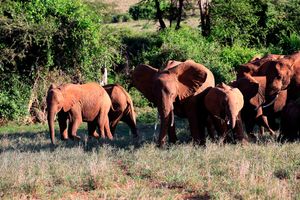
The Amboseli ecosystem is home to an estimated 1,600 to 1,800 elephants. The area is one of Africa’s most extensively studied elephant habitats and is renowned for its iconic large-tusked elephants, known as super tuskers, as well as decades of research by conservation organisations such as the Amboseli Trust for Elephants.
The Kenya Wildlife Service (KWS) described the birth as a celebration of nature and a reminder of the resilience of elephants.
“Twain’s story is a beautiful celebration of the wonders of nature and the remarkable resilience of elephants. The arrival of her twins is not only a special moment for her family, but also a reminder of the importance of protecting elephants, their habitats and the ecosystems they call home,” KWS said in a Facebook post.
KWS Senior Assistant Director in charge of the Southern Conservancy Paul Wambi told the Nation that the calves were under close surveillance by wildlife wardens.
“Twain is an extraordinary elephant mother that has ensured the continuation of a family lineage and generation of the country’s pride.Our officers are closely monitoring the pair of (pride),” said Mr Wambi.
Mother elephant known as Twain with her twin calves born on October 7 in Kimana Sanctuary in Amboseli Ecosystem, Kajiado County.
Photo credit: Pool
In the week following their birth, the twins, seen moving alongside their mother, had become a major attraction for tourists visiting the ecosystem.
According to the memoirs of researcher Cynthia Moss, Twain belongs to the TC elephant family, one of the oldest and most extensively documented maternal lineages monitored by the Amboseli Trust for Elephants.
Moss first encountered the family, whose matriarch had slit ears, on September 9, 1973. The elephant, named Ear, became the TC family’s matriarch. She had eight known daughters and lived to about 67 years, dying of natural causes in December 2003.
Born in 1996, Twain is a third-generation member of the lineage. She is celebrated within the TC family for her reproductive success and history-making births. She has five surviving calves born between 2009 and 2024. Calves in her lineage are given names beginning with the letter “T”.
Within the close-knit elephant family, Twain’s sisters, aunts and older daughters help protect and care for the twins, strengthening the family’s chances of raising the calves successfully.
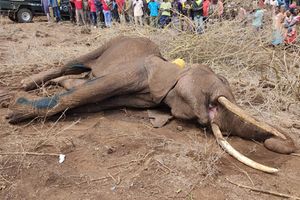
The birth comes less than a year after the death of Craig, Amboseli’s iconic super tusker, whose passing marked the loss of one of Africa’s most celebrated elephants.
Craig died in January 2026 at the age of 54 from age-related illnesses. Known for his immense, ground-sweeping tusks and calm temperament, he had been a prominent presence in Amboseli for decades and was among the ecosystem’s most recognisable elephants.
According to KWS records, Craig was born in January 1972 to Cassandra, the matriarch of the CB family.
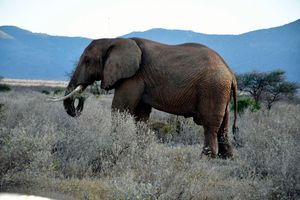
He was one of Africa’s last remaining super tuskers, a rare class of bull elephants whose two tusks each weigh more than 45 kilogrammes (100 pounds) and which face the threat of extinction.
Craig fathered several calves, helping to ensure that his lineage continued across generations.
In 2021, he was adopted by East African Breweries Limited through its Tusker brand, reflecting his international appeal. His longevity was attributed to decades of protection by KWS, working alongside conservation partners and the local community.
Despite the hopeful news of the twins’ arrival, the Amboseli ecosystem has this year suffered the deaths of 18 elephants, an unusually high number recorded within a short period.
Mother elephant known as Twain with her twin calves born on October 7 in Kimana Sanctuary in Amboseli Ecosystem, Kajiado County.
Photo credit: Pool
The initial deaths occurred between June 24 and July 31 and mainly involved adult females and calves that showed signs of weakness and partial paralysis in their limbs. Preliminary laboratory analysis by KWS detected traces of cyanide in samples collected from the elephants’ digestive systems, after the animals allegedly ingested tomatoes laced with the banned poison.
The deaths triggered local and international concern and were followed by arrests. Four suspects were later released, while investigations remained ongoing at the time of publication. Authorities had yet to release a final report on the incident.
Amboseli National Park, which covers 392 square kilometres in Kajiado County, remains one of Kenya’s leading tourist destinations, attracting visitors with its elephant population and views of Mount Kilimanjaro.