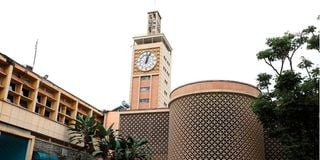
There is a building in Nairobi that rarely trembles, even when the world around it is on fire. Behind its thick glass and red carpet, men and women sit — insulated from the noise outside, adjusting their ties, flipping through bills they likely haven’t read, speaking in legalese, as the rest of us count the few coins left for bread.
It is not police guns or presidential decrees that quietly shape the weight of life in Kenya—it is Parliament. That building, calm on the outside but rotten at the core, is where our real struggles begin.
Because if you peel back every crisis we’re fighting—poverty, corruption, over-taxation, or injustice — you’ll almost always find it rooted in something passed, ignored, or mutilated on the floor of that House.
And yet, we keep fixating on the presidency. We get distracted by whoever occupies the State House, expecting miracles or bracing for disaster. All the while, Parliament, our lawmaking body, our so-called representation, operates beneath the radar, writing the script that the rest of the government performs. Let’s call it what it is: Parliament is our weakest link.
Weak, not just in moral courage, but in integrity, relevance, and vision. The epicentre of this country’s dysfunction is in Parliament. Quite frankly, it’s hard for me to remember when Parliament had a spine. It’s always been a marketplace for power and personal gain.
The agitation of the youth last year wasn’t born out of nowhere. It began with a simple act: Kenyans tried to reach their MPs via the phone. We called. We texted. We asked them to vote no to a Finance Bill 2024 that would bury the majority of the youth in taxes while sparing the elite. But Kenyan politicians like to act like demigods. They prefer to think that we’re here for them and not the other way around. So instead of making an effort to listen, they ignored us.
They muted their phones, blocked constituents, and some even ridiculed our messages. They carried on with the vote as though our views didn’t matter.
That betrayal wounded the nation. So we went to the streets. Because how else do you speak to people who have sworn never to listen?
My dear Kenyans, our pain isn’t accidental. It’s legislated. Built into the very architecture of our lawmaking process. And I mean this in the literal sense, every time someone dies because of a delayed SHA payment, the blame lies with Parliament.
Parliament is not just sleeping on the job, it’s actively working against the people and the country.
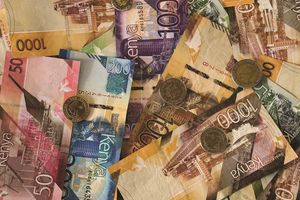
In the 2023 Parliamentary Performance Report by Mzalendo Trust, more than 70 per cent of MPs were found not to have contributed to a single debate of national importance. Only a handful of them ever sponsor bills. And still, each of them earns more than Sh1 million per month, enjoys a mortgage, per diem, car grants, and even airtime allowances.
Collectively, they cost the country over Sh45 billion annually. For what? For skipping debates and reappearing only to raise their hands in pre-arranged votes? We are not just misgoverned. We are overtaxed to sponsor the collapse of our own democracy.
And yet, this institution is the one that writes the laws that affect your body, your wallet, your access to healthcare, and a lot more. This organ of leadership is not a sideshow. Parliament has repeatedly taken it upon itself to ignore the needs and future of Kenyans at the altar of political convenience. Parliament passed the draconian Finance Bill 2024 despite Kenyans rejecting it. It’s thanks to an Act of Parliament that the Social Health Authority (SHA) exists. They have completely failed in their oversight role of Kenya’s spiralling debt.
Article 2 of the Constitution outlines the principle of the Supremacy of the country’s supreme law. It is binding to all state organs. It overrides any law that contradicts it. But in reality, our Parliament has turned itself into a hotbed of impunity.
And we expect this same Parliament to pass laws that allow us to recall them? Let’s be serious. The process is deliberately impossible — costly, complicated, bureaucratic. You need signatures, legal grounds, and approval from the same institutions that the MP likely helped to capture. You need to fight an entire system built to protect them from us. So, no. Parliament will not fix itself.
Because if we can break the monopoly of the Big Man, we can also dismantle the myth of the unreachable parliamentarian. And that starts now.
It starts with understanding that screaming “Ruto must go” while leaving the National Assembly intact is not enough. It’s like scooping water out of a sinking boat while refusing to fix the hole.
The Executive is not powerful on its own. It is Parliament that gives it legitimacy, which enables its excesses, and fails to check it. Without a captured Parliament, the presidency is just another office. Let’s re-imagine Parliament as a tool of healing.
A space that belongs to the people again. For the past year, youth have said enough is enough, but now we need a political pipeline. We need a Parliament of the people. Not just in name, but also in function.
Kenyans in recent times have shown that they’re willing to coalesce resources around the people that they believe in. That act of solidarity broadens the possibilities of funding for young, ambitious candidates. Furthermore, Gen Zs need to get more involved in party nominations, demand transparency in campaigns, hold town halls, and vote intentionally. They have to reject recycled candidates, no matter how loudly they shout “hustler” or wear our colours.
If we don’t take Parliament seriously, nothing else will change. Not the taxes. Not the killings. Not the corruption. Not the heartbreak of watching our country fall apart while we scream into a void.
We have tried protesting. We have tried calling. We have tried crying. Now let’s try legislating. Let’s build power—not just resistance. Researcher Chris Orwa says the current average age of our MPs is 48 years. That number needs to come down. We need as much young talent in parliament as possible. Because one day, when another Finance Bill is tabled, we should have someone inside that chamber who remembers the names of the people who bled because of those seats.