Caption for the landscape image: Ruto’s empowerment ‘theatrics’ bad for Kenya Friday, August 15, 2025 Scroll down to read the article President William Ruto plays pool during a Nairobi County Empowerment Programme at State House, Nairobi, last week. Photo credit: PCS By Nelson Amenya Columnist Article Related Last week, President Ruto announced that boda bodas would now retail at Sh95,000, about half the usual price. It sounded like a breakthrough for riders, until you looked closer. PREMIUM Chan 2024: Ruto promises Sh2.5m to each Harambee Stars player if they beat Zambia The President met the team on Monday at a hotel in Upper Hill, Nairobi, PREMIUM Ruto opens doors to State Lodge as he fetes Homa Bay women More than 2,500 women attended the gathering dubbed Nyinam Presidential Luncheon. PREMIUM Stop demanding bribes, Ruto tells MPs Lawmakers accused of demanding bribes from State officials in return for favourable reports. PREMIUM Kindiki asks Mt Kenya to back Ruto for a second term He lauds leaders for 'resisting wave of deception that has been perpetrated by the opposition.' . Recommended for you PREMIUM Report lays bare rot in Coast region water firms facing shutdown PREMIUM The city money trap: Rich in revenue, poor in power PREMIUM How Kenya’s running legends are building fortunes beyond the track PREMIUM Woman wins Sh500,000 after husband moves lover into matrimonial home PREMIUM Drone strikes stall two fuel tankers bound for Kenya Login to join the discussion Please enable JavaScript to view the comments powered by Disqus. In the headlines Elections News Counties Business Opinion Sports Life & Style Health Podcasts Photos Newsletters Puzzles PREMIUM How Kenya’s running legends are building fortunes beyond the track Champions who have channeled their sporting fortunes into shopping centres, hotels, schools. PREMIUM Mosiria exposes bitter fallout with Sakaja Nairobi County Chief Officer declares intention to challenge Governor Sakaja in 2027. PREMIUM Civil servants face vetting over Sh6.2bn payroll fraud State renews push to identify irregular recruitment and weaknesses in management of public funds.
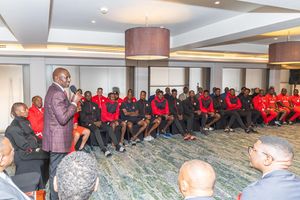
PREMIUM Chan 2024: Ruto promises Sh2.5m to each Harambee Stars player if they beat Zambia The President met the team on Monday at a hotel in Upper Hill, Nairobi,
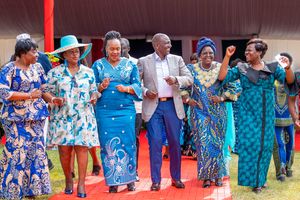
PREMIUM Ruto opens doors to State Lodge as he fetes Homa Bay women More than 2,500 women attended the gathering dubbed Nyinam Presidential Luncheon.
PREMIUM Stop demanding bribes, Ruto tells MPs Lawmakers accused of demanding bribes from State officials in return for favourable reports.
PREMIUM Kindiki asks Mt Kenya to back Ruto for a second term He lauds leaders for 'resisting wave of deception that has been perpetrated by the opposition.'
PREMIUM How Kenya’s running legends are building fortunes beyond the track Champions who have channeled their sporting fortunes into shopping centres, hotels, schools.
PREMIUM Mosiria exposes bitter fallout with Sakaja Nairobi County Chief Officer declares intention to challenge Governor Sakaja in 2027.
PREMIUM Civil servants face vetting over Sh6.2bn payroll fraud State renews push to identify irregular recruitment and weaknesses in management of public funds.