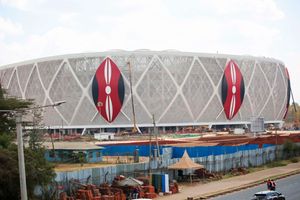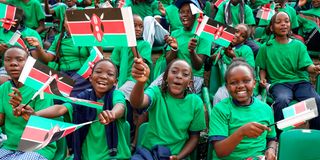
Students following proceedings during the 62nd Jamhuri Day celebrations at Nyayo National Stadium in Nairobi on December 12, 2025.

This Friday was Jamhuri Day. Kenya marked its 62nd year of full liberation from colonial rule with pomp and colour. The President and other dignitaries gave their speeches, and several offices remain closed to observe one of our most important national days. However, underneath the speeches given, underneath the colour of the celebration and the music of the military band, the true gift of Jamhuri Day is reflecting on how far we have come since that day 62 years ago. Have we accomplished the dreams our founding fathers had for us? At independence, our population stood at 8.1 million, now we are just over 53 million. What does liberation look like for us now after all those years?
In those old black and white videos of the first Jamhuri Day, we glimpse history live: hundreds gathered at Uhuru Gardens, faces radiant with tears of joy, hearts lifted as the Kenyan flag rose proudly into the sky. You can almost feel the weight of waiting, the generations of longing released in that single moment. Jamhuri Day is our reminder that independence was not handed to us. It was fought for, in the forests where our forefathers risked everything for land and freedom, and in the halls where others demanded justice through courage and non‑violent resistance. Our independence was never meant to be only about self‑rule. It also had to be about dignity restored, land reclaimed, voices heard, and opportunities opened. It was, and remains, the promise of a people determined to live free, proud, and whole.
At 62, independence feels familiar, almost too familiar, and in some circles, Jamhuri Day may only be seen to serve as a day’s break from work. But even in its familiarity, we also feel that our full independence is unfinished. Kenya is no longer a young nation, but we are also far from the country the generation at independence imagined for us. When we got independence, President Jomo Kenyatta declared war on three enemies: poverty, disease and ignorance. We have made progress since then. We have built institutions, expanded access to education, we hold regular elections, and we have managed to have a now 15-year-old Constitution that vests sovereign power in the people.
Fight for democracy
However, we know very well that the distance between those dreams our forefathers had has remained wide based on our current reality. We saw in last week’s column just how much inequality in our country has risen according to an Oxfam report with the richest 125 people in the country holding more wealth than 77 percent of the population, and a poverty rate of 46 per cent. These numbers remind us that political independence did not translate into shared prosperity. We must therefore continue to reach for an independence that is more than symbolic. One that delivers dignity, equity, and opportunity to every Kenyan. We must reach for a future where prosperity is shared, where justice is lived, and where the promise of Jamhuri is fulfilled not just in our history books, but in the daily lives of all Kenyans.
In the 90s, many other heroes came out to fight for democracy against a government which had turned authoritarian. It is their sacrifice in fighting for this democratic space which gave us its birth.
A healthy democracy is measured by the accountability of leaders, the strength of institutions, by the freedom to criticise leadership without fear and by the ability of citizens to shape their lives.
Economic opportunities
In the last couple of years, trust between citizens and the state has faltered, which led to protests and calls for accountability and for leaders to expand access to economic opportunities for young people in the country. A true democracy must be one where the majority have their way and the minority have their say, one where there is true public participation and where people truly feel the government exists to serve their interests.
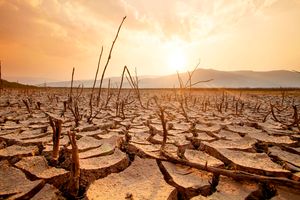
In my life and work, I have witnessed far too many lives torn by the escalating extremes of climate change. Communities watch their cattle perish in relentless droughts, while floods devastate homes and fields, forcing families to flee. I have seen citizens rise with courage, taking their grievances to court to defend their land, their rights, and the environment that sustains them. True independence must mean more than self‑rule; it must mean accountability to the lives, livelihoods, identities, and cultures of all people. It must mean protecting the dignity of those most vulnerable to climate’s harsh realities. How we respond to these challenges will define the soul of our democracy and determine whether it grows more inclusive, resilient, and just.
As we reflect on 62 years of independence, let us renew our hope with courage and conviction to fight for a future that is both sustainable and inclusive. The flag was raised, but the work of liberation continues. It lives on in every policy we shape, in every injustice we refuse to ignore, and in every voice we choose to uplift. True independence is a promise of dignity, of justice, and of opportunity shared by all.
Ms Mathai is the MD for Africa & Global Partnerships at the World Resources Institute and Chair of the Wangari Maathai Foundation