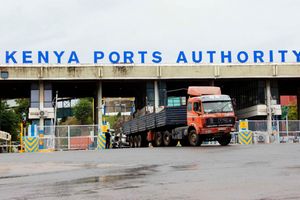
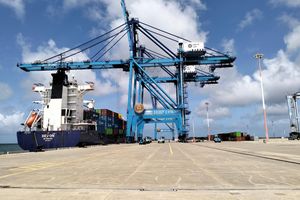
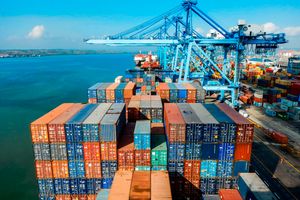
Shipping containers at the Port of Mombasa.
Fresh fears of cargo clearance delays have gripped stakeholders at the Mombasa port after more State agencies returned to the gateway, reversing gains of a presidential directive that only key cargo-related firms be allowed to operate there.
The Kenya Nuclear Regulatory Authority (KNRA) has returned to the port, joining the growing list of agencies that were previously driven out to help improve efficiency but have since slipped back, including the National Environment Management Authority, the Kenya Plant Health Inspection Services (Kephis), and the Anti-Counterfeits Authority.
The KNRA on Tuesday announced that all cargo entering or exiting the Mombasa port and other facilities run by the Kenya Ports Authority (KPA) would be subjected to mandatory screening and verification for radioactive materials from May 1, 2026, effectively adding a layer of non-tariff barriers at the port which is presently battling congestion.
“All cargo entering or exiting Kenyan ports of entry must undergo specialised screening to detect and prevent illicit trafficking of special nuclear and other radioactive materials,” KNRA said.
Stakeholders have warned that the return of multiple government entities at the port is reversing efficiency gains by slowing cargo clearance and threatening to clog operations along the Mombasa-Malaba highway.
“The introduction of screening of all cargo, including those that do not have radioactive materials will increase cost and delays at port facilities making Kenya unattractive to traders,” said Agayo Ogambi, CEO of the Shipper Council for Eastern Africa.
In 2020, the government suspended nine agencies from directly handling cargo at the port, a move which was credited with reducing bureaucracy, cutting handling costs, and improving efficiency.
However, in recent months, additional State entities have resumed on-site operations, joining key agencies such as the Kenya Revenue Authority (KRA), Kenya Bureau of Standards (Kebs), and Port Health, which already have a direct mandate on cargo.
Since July 2022, only the KPA, KRA, Kenya Railways, and Kebs have been the only agencies allowed to deal directly with the cargo, thus reducing the time of clearing cargo from six days to about two days.
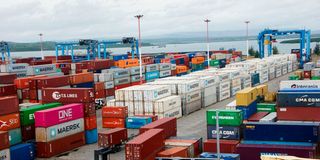
Cargo containers at the port of Mombasa.
The Mombasa port has been battling congestion for close to two years now due to high container volume and previous system bottlenecks. The KPA and KRA had to endure hitches, including suspension in scheduled maintenance works.
For example, KRA only weeks ago deferred a scheduled shutdown of its cargo clearance system, bowing to pressure from traders and clearing agents who have flagged risks of bigger disruption at the gateway, which has been battling a congestion crisis since 2025.
Traders and clearing agents expressed reservations about the scheduled shutdown of the taxman’s Integrated Customs Management System (iCMS)-- which is a crucial platform for the clearance of import and export cargo--barely a month after a similar exercise triggered massive disruptions at the Mombasa port.
Follow ourWhatsApp channel for breaking news updates and more stories like this.