The rising cost of milk is putting fresh pressure on households and food vendors across parts of Nyanza, with traders being forced to make difficult choices as the price of a staple commodity climbs.
In Homa Bay, food vendors say the increase is squeezing their already thin profit margins, forcing some to cut back on the amount of milk they use even as customers complain that their tea is becoming increasingly diluted.
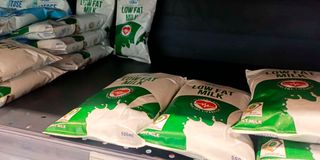
At local supermarkets, a 500ml packet of milk now sells for about Sh70, up from between Sh55 and Sh60.
For food vendors, the increase presents an unenviable choice of raising prices and risking losing customers or reducing the amount of milk used and compromising the quality of their products.
Pamela Otieno, who operates a food kiosk in the Posta area of Homa Bay Town, said she had maintained the price of a cup of tea at Sh20 despite the rising cost of milk.
She has, however, reduced the amount of milk she uses to prepare the tea.
“I prepare up to 20 litres of tea every day. I used to add five packets of milk to the water, but I decided to reduce the quantity to four,” she said.
Ms Otieno said she had tried to explain the situation to her customers, but not everyone was willing to listen.
'If I increase the amount I charge per cup, I am likely to lose customers. So, I have kept the price the same, but reduced the amount of milk, so that I can also make a profit. However, this is affecting the quality of the tea,” she said.
The trader joined other Kenyans in calling on the government to find lasting solutions to the rising cost of milk.
However, in Kisumu and Migori counties, most supermarkets and retail shops remained well stocked with milk, although prices varied considerably between major supermarkets and smaller outlets.
In Kisumu, supermarkets were selling 500ml packets of milk for as little as Sh55, while the same quantity was retailing for up to Sh80 in many shops.
In Migori, businessman Jacob Charles claimed that supermarkets and wholesale outlets had sufficient milk supplies. He said a 500ml packet retailed at about Sh60 in the county.
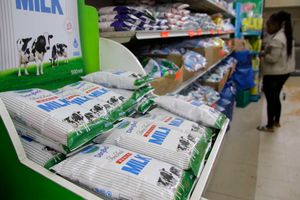
A shopper carries a basket with milk at Naivas Lifestyle in Nairobi.
Photo credit: Billy Ogada | Nation Media Group
The challenge in Kisii was exacerbated by the disappearance of several popular milk brands from supermarket shelves, despite prices remaining high.
Mr Eliud Kemosi said he bought a packet of milk for Sh70, up from the Sh65 he usually pays.
“Although there is no limit to the number of packets of milk one can buy here, the prices are up, and my favourite brand is not on the shelves,” said Mr Kemosi.
For some consumers, the rising cost of milk has prompted changes to their daily routines.
Ms Elizabeth Nyarinda said that she had been forced to drink tea without milk while waiting for prices to stabilise.
Across the region, changes in the price and availability of milk are quietly reshaping everyday choices, from the tea served at roadside kiosks to breakfast at home.
Shortages of the commodity have affected parts of the South Rift region in recent weeks, with consumers in Narok, Bomet and Kericho being particularly hard hit.
Packets of milk on display at a Naivas Supermarket outlet in Nairobi.
Photo credit: Billy Ogada | Nation Media Group
“The prevailing drought has affected milk production in Bomet County, which is the main source of raw milk to Narok, Kisii and Kisumu counties”, Erick Kibet, a milk vendor in Bomet, said.
In the county, a litre of raw milk that usually retails at Sh50 has risen to Sh70, with the vendors sourcing the fresh and highly perishable produce directly from local farmers instead of cooling plants.
He said the drought has resulted in shortages of pasture and water, which are essential for high milk production in the region.
In Nakuru, although the shortages in supermarkets are not severe, residents have turned to milk vendors for supplies.
“Shortages of milk are normal during the dry season, with retail prices rising as a result. We are looking forward to the expected rains in a few weeks, which should increase supplies,” said Peter Njenga, a milk vendor in Narok town.
George Odiwuor, Domnic Ombok, Vitalis Kimutai and Ruth Mbula