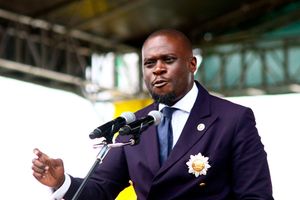
Caption for the landscape image: County that humbles titans: What makes Nairobi unique Thursday, February 19, 2026 Scroll down to read the article From left: Nairobi Governor Johnson Sakaja and his predecessors Ann Kananu, Mike Sonko and Dr Evans Kidero. Photo credit: File | Nation Media Group By Collins Omulo Reporter Nation Media Group Summary Article Related What you need to know: Dr Evans Kidero, Mike Sonko, Benson Mutura, Ann Kananu and Johnson Sakaja have occupied the governor’s office along City Hall Way.Mr Sonko and Dr Kidero are some of the casualties of what is fast becoming a jinxed office that appears to humble political titans. City Hall stands out as the only county in Kenya to have had five governors since the advent of devolution in 2013. Dr Evans Kidero, Mike Sonko, Benson Mutura, Ann Kananu and Johnson Sakaja have occupied the governor’s office along City Hall Way. PREMIUM Ruto-Sakaja deal faces court challenge before ink dries Petitioners want the Sh80 billion deal suspended. PREMIUM Unconstitutional: Senator Sifuna rejects national-county deal 'Sakaja is the new Deputy Governor for all intents and purposes...' PREMIUM Sakaja: Powerful officials eye key Nairobi City Hall roles 'Think about the political stakes... There is no bigger position to contest than the governorship of Nairobi.' PREMIUM From NMS critic to State partner: Sakaja’s tough balancing act He had vowed there would be no repeat of the NMS arrangement or transfer of devolved responsibilities to national government. . Recommended for you PREMIUM Drone strikes stall two fuel tankers bound for Kenya PREMIUM Family’s Russia hope shattered by DNA confirmation of Shakahola death PREMIUM Civil servants face vetting over Sh6.2bn payroll fraud PREMIUM The Coast question: Who will inherit Raila’s loyal base? Login to join the discussion Please enable JavaScript to view the comments powered by Disqus. In the headlines Elections News Counties Business Opinion Sports Life & Style Health Podcasts Photos Newsletters Puzzles PREMIUM Civil servants face vetting over Sh6.2bn payroll fraud State renews push to identify irregular recruitment and weaknesses in management of public funds. PREMIUM Machetes, extortion and fear: Inside Homa Bay’s gang crisis Local business operators bore the brunt of the lawlessness. PREMIUM Mosiria exposes bitter fallout with Sakaja Nairobi County Chief Officer declares intention to challenge Governor Sakaja in 2027.
PREMIUM Ruto-Sakaja deal faces court challenge before ink dries Petitioners want the Sh80 billion deal suspended.
PREMIUM Unconstitutional: Senator Sifuna rejects national-county deal 'Sakaja is the new Deputy Governor for all intents and purposes...'
PREMIUM Sakaja: Powerful officials eye key Nairobi City Hall roles 'Think about the political stakes... There is no bigger position to contest than the governorship of Nairobi.'
PREMIUM From NMS critic to State partner: Sakaja’s tough balancing act He had vowed there would be no repeat of the NMS arrangement or transfer of devolved responsibilities to national government.
PREMIUM Civil servants face vetting over Sh6.2bn payroll fraud State renews push to identify irregular recruitment and weaknesses in management of public funds.
PREMIUM Machetes, extortion and fear: Inside Homa Bay’s gang crisis Local business operators bore the brunt of the lawlessness.
PREMIUM Mosiria exposes bitter fallout with Sakaja Nairobi County Chief Officer declares intention to challenge Governor Sakaja in 2027.