Mining and Blue Economy Cabinet Secretary Hassan Joho has ordered the police and Kenya Wildlife Service (KWS) officers to allow fishermen to harvest fish from Lake Nakuru despite warnings that the catch is contaminated and unfit for human consumption.
The directive, which would also allow the issuance of fishing licences, has raised health concerns because it was not accompanied by new scientific evidence confirming that the fish is now safe to eat.
It also appears to contradict the government's earlier position that fish from the lake was unsafe for human consumption, following research that found elevated levels of contaminants.
KWS has opposed the move warning that the fish remains unsafe to eat and that Lake Nakuru is a protected area.
In 2021, the Kenya Marine and Fisheries Research Institute (KMFRI) warned that fish from the lake was unfit for human consumption because of pollution. The government subsequently banned fishing in the lake in 2024 following further concerns about contamination.
The research followed complaints that fish harvested from the lake rotted unusually quickly, even when refrigerated. KMFRI also found elevated nitrate concentrations in the water, raising concerns about conditions affecting fish growth and reproduction.
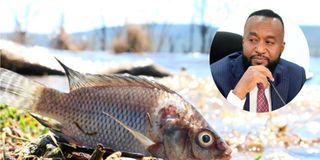
Cabinet Secretary for Mining, Blue Economy and Maritime Affairs Hassan Ali Joho.
Photo credit: Dennis Onsongo | Nation Media Group
Mr Joho, however, said he had issued the directive after receiving complaints from local leaders including Governor Susan Kihika and Nakuru Town East MP David Gikaria, about the challenges facing fishermen.
“Your leaders have complained of being blocked from harvesting the fish in Lake Nakuru. As the Cabinet Secretary in charge, I am directing the police and KWS to allow the fishermen access to the lake and conduct fishing activities. That is an order,” Mr Joho said.
He spoke last Friday during an empowerment programme hosted by Governor Kihika at the Nakuru ASK Showground where he the CS defended his decision as part of the government's commitment to equality and access to economic opportunities.
“The national and county governments serve the people and the lake is their resource. I am directing the police, KWS and all government agencies to allow the fishermen to harvest fish from the lake. From today, we will issue licences to the fishermen to allow them to operate in the lake,” he said.
Mr Joho questioned why residents of Nakuru were barred from fishing in a lake within their county arguing that they had as much right to benefit from local resources as communities in other parts of the country.
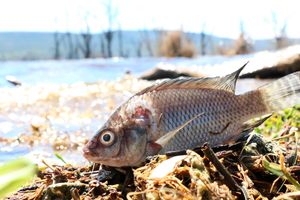
Women fish in waters of Lake Nakuru that have rose to their Mwariki village on September 12, 2026.
Photo credit: Boniface Mwangi | Nation Media Group
He cited fishing activities along the Coast, Lake Victoria and Lake Turkana, asking why residents of Nakuru should be excluded from exploiting the resource. He did not address the earlier findings that fish from Lake Nakuru was contaminated or explain whether new tests had established that it was safe for consumption.
The CS said the directive was in line with President William Ruto's administration's pledge to promote equality and ensure that communities across the country benefited from available economic opportunities.
In January 2024, the government declared fish from Lake Nakuru unfit for human consumption and banned fishing in the lake.
The then Mining and Blue Economy Cabinet Secretary Salim Mvurya said the fish contained high levels of arsenic, a toxic metal that poses risks to human health.
On March 24, KWS warned Kenyans against consuming fish from the lake, saying contaminated catches were entering markets across the country and posing a serious public health risk.
KWS Director-General Prof Erastus Kanga told senators on a fact-finding mission that fish declared unsafe was being transported from Nakuru to markets in Nairobi and other cities. Officials had also seen tilapia from the lake being sold, he said.
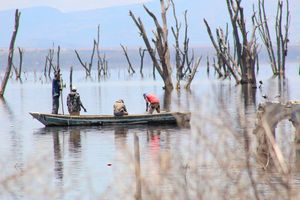
Fishermen in a boat in Lake Nakuru on September 12, 2026.
Photo credit: Boniface Mwangi | Nation Media Group
Prof Kanga described the situation as a potential national health crisis, citing pollution that had contaminated the lake's ecosystem and rendered aquatic organisms unsafe for human consumption.
Sewage seepage into the lake was among the sources of pollution, he said. Solid and liquid waste from neighbouring residential estates, commercial areas and industries had also been washed downstream into the lake.
Despite the warnings, fish illegally harvested from Lake Nakuru continues to find its way into markets across the country, exposing consumers to potential health risks.
Efforts to curb uncontrolled fishing in the Barut and Mwariki areas have proved difficult, with the activity becoming a source of livelihood for hundreds of people.
Nakuru East MP David Gikaria had urged Mr Joho to intervene in the dispute over fishing on the lake and escalate the matter to the President.
Mr Gikaria claimed that at least two people die every month from drowning while attempting to evade KWS officers patrolling the protected area for illegal fishermen.
Those arrested and taken to court face fines averaging Sh300,000, he said, adding that many fishermen depend on the catch for their livelihoods and cannot afford the penalties, leaving some at risk of imprisonment.
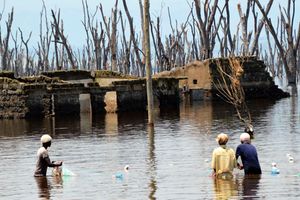
Young men on a fishing expedition in the swollen Lake Nakuru, whose waters have submerged houses in Mwariki, Nakuru West Sub-county, following heavy rainfall on September 4, 2025.
Photo credit: Francis Mureithi| Nation Media Group
The MP further alleged that young people risk their lives to enter the lake and, after making a catch, are pursued by officers from Bondeni and Mwariki police stations, who confiscate their fish before arresting them.
The fishermen's concerns have placed livelihoods and public safety at the centre of the dispute. However, the economic hardship facing the community does not, on its own, establish that fish from the lake is safe for consumption.
Earlier this year, Mr Joho announced that the government would deploy teams from the Kenya Maritime Authority and Bandari Maritime Academy to train fishermen operating on the country's lakes.
The programme, he said, would provide professional training to improve safety standards and strengthen fishermen's skills while working on water bodies.
Participants who complete the programme would receive certificates at the government's expense. The initiative is intended to professionalise fishing activities and equip those working on lakes with knowledge of maritime safety and emergency response.
Mr Joho also directed Kenya Maritime Authority officials to begin procuring modern rescue equipment for distribution to various lakes.
He said Nakuru County presented a unique opportunity for the blue economy because it has six lakes, offering potential for fishing, aquaculture and tourism.
They include Lakes Nakuru, Naivasha, Elementaita, Solai, Oloiden and Crater.
However, the latest directive on Lake Nakuru has raised questions about how the government intends to balance the livelihoods of local fishermen with the need to protect a sensitive ecosystem and safeguard consumers from potentially contaminated fish.