Cancer patients stranded as SHA cuts treatment cover
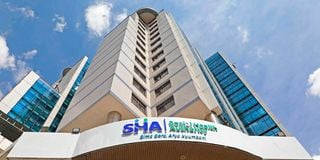
The Social Health Authority building in Nairobi.

Cancer patients across the country are raising the alarm over serious disruptions to their treatment since the Social Health Authority (SHA) introduced a new approval system.
Patients report widespread claim rejections, sharply reduced drug limits, compulsory cash top-ups and sudden restrictions on where they can get chemotherapy drugs. They say they have been left stranded while waiting for an official response from the authority.
According to the patients, they have been told of a new SHA protocol that requires approvals at several levels and sets strict financial caps on drugs and diagnostic tests.
SHA officials have reportedly told patients that the overhaul is meant to tailor coverage to specific cancer types and protect beneficiaries. Patients argue that the system is doing the exact opposite. They say it is delaying urgent care and forcing critically ill Kenyans to pay out of pocket.
Information from Jaramogi Oginga Odinga Teaching and Referral Hospital (JOOTRH) shows that of 30 oncology treatment requests submitted to SHA on Monday, only 12 were approved.
“Crucially, even the 12 patients whose requests went through were still required to make out-of-pocket top-up payments to access their care. For instance, I had a colon cancer patient who had to pay Sh20,000 out of pocket for his tests to be done, yet all along, SHA has been paying for everything. We do not know what is happening because no one is explaining anything to us,” said an oncologist who sought anonymity.

The entrance of Jaramogi Oginga Odinga Teaching and Referral Hospital along Kisumu - Kakamega Highway.
The medic said coverage for essential diagnostic and monitoring tests has also been scaled back. Patients must now bridge the financial gap before they can proceed with scheduled therapies.
“For many who rely entirely on public health insurance to survive, the inability to raise the top-up fees has brought their treatment to an abrupt halt. I feel bad because I see my patients suffering, yet no one is speaking for them,” he said.
He said the new system is not meant to protect patients but to burden them. “Are we saying that we have been paying a lot to cancer patients, and now we are capping this? It is not fair what they are doing to the patients.”
Even patients who get approvals are finding that their benefit caps have been severely reduced.
One patient said her medication allocation was slashed to just Sh5,400. That is barely enough for a single month’s supply of Letrozole, a vital hormone therapy drug used to treat breast cancer.
Letrozole is used mainly to treat hormone-positive breast cancer in postmenopausal women. It is typically taken as a daily tablet and lowers estrogen levels to slow tumour growth.
“You know, I need over Sh20,000 for my medication, and if you slash it, I have to add more. Without it, I may not be able to suppress the hormones. Why is this happening at a time when the government is announcing an increase in oncology treatment?” the patient said.
The new system has also created a logjam inside hospitals. Previously, a single approval from the attending doctor was enough for a patient to collect drugs and proceed with treatment. Under the new framework, patients say they have been told that every oncology request must pass through three checkpoints: a nurse, an oncologist and a pharmacist. Only then is approval given.
“The wait time has become longer because patients have to wait for the three to do the approval in the system. If you go across oncology clinics, you will be shocked at how the queues are growing longer by the day as they wait for the approvals,” said a nurse at an oncology clinic at Kenyatta National Hospital (KNH).

Kenyatta National Hospital in Nairobi.
The frustration prompted representatives of cancer patient groups to meet SHA management on Monday evening and again on Tuesday to seek answers.
According to patients who attended the two sessions, SHA officials explained to them that “every cancer is special”. They argued that different cancers cannot receive a uniform package; hence the introduction of a system that regulates and caps the exact amount paid for specific drugs and tests.
At the same time, SHA management acknowledged that there are teething problems and asked patients for time to “put their house in order”. Patients say time is a luxury they do not have.
As they await a formal public statement and policy clarification from SHA leadership, the plea from oncology wards across the country remains urgent: “Cancer cells are not waiting. Let’s stop joking with their treatment.”
Mary Adhiambo, a breast cancer patient who is treated at KNH and at times buys her drugs at Texas Cancer Centre, told *Nation* that the centre has stopped dispensing drugs to patients from outside. She said it now serves only its internal patients.
“Texas Cancer Centre, a key supplier of chemotherapy drugs, is no longer selling or dispensing chemotherapy medication to patients receiving treatment outside its facility. Instead, the hospital is reportedly insisting that patients formally transfer their entire care to Texas Cancer Centre to access the drugs, yet many times, it is the only clinic with some of the cancer drugs and tests,” Ms Adhiambo said.
The policy shift has hit patients receiving care at Kenyatta University Teaching, Referral and Research Hospital (KUTRRH) and KNH. Many of them previously relied on outside pharmacies to source specific chemotherapy regimens covered under their insurance.
“Patients who are unable to buy the drugs through SHA without transferring facilities, affected KUTRRH patients, are being forced to purchase expensive chemotherapy drugs entirely out of pocket,” Ms Adhiambo said.
The Kenya Network for Cancer Organisations and other patient advocates are now demanding clarity from SHA. They want to know whether the authority has introduced a new rule requiring oncology patients to be domiciled at a single facility for both clinical care and pharmacy dispensing. They also want to know why oncology treatment and tests have been capped.
“Why would a system be changing and interfering with treatment? If things are to change, why don’t we always alert the patients? Why are they being asked to pay more or to top up? We need to know that cancer cells are not waiting. We should not interfere with their treatment,” said Ms Phoebe Ongadi, the Executive Director of the Kenya Network for Cancer Organisations.
Improve cancer care
According to SHA, the changes were introduced to improve cancer care by aligning treatment with the National Cancer Treatment Guidelines and standardising how medicines and treatment services are priced and paid for.
“Previously, hospitals used different prices for similar medicines and treatments. This created differences in costs, with some patients exhausting their benefits before completing treatment. The new system is intended to ensure that patients receive appropriate treatment at standardised prices while making better use of the enhanced KES 800,000 oncology benefit, comprising Sh400,000 under SHIF and Sh400,000 under Emergency, Chronic & Critical Illness Fund,” says the statement by SHA
The statement said that the changes followed a consultative process led by the Ministry of Health’s National Cancer Control Programme (NCCP). “The review involved oncologists, pharmacists, nurses, public and private hospitals, and relevant professional associations.”
According to SHA, the guidelines provide a common approach to cancer treatment, while the digital system supports treatment approvals and payments for medicines and services based on the approved benefits package.
On patients being asked to top up, SHA indicated that Sh800,000 benefit is subject to approved treatment guidelines, tariffs and eligibility requirements. “Where hospital charges differ from approved rates, or treatment falls outside the covered package, additional costs may arise.” It states.
“Patient protection remains a priority. Patients should not be asked to pay again for services already covered and paid for by SHA. Any additional charges must be clearly explained, justified and consistent with the applicable benefit rules.” It states
It adds, “The objective is to protect patients from avoidable out-of-pocket costs while ensuring they receive the full benefits to which they are entitled.”
Follow ourWhatsApp channel for breaking news updates and more stories like this.