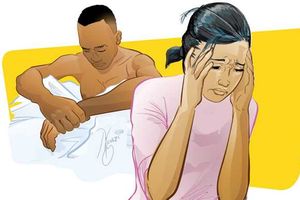
Many Kenyan men only think about seeing a urologist when symptoms become severe. Some would experience back pain, or find blood in their urine, or have discomfort in the testes, or experience sudden erectile dysfunction, but still wait until things get worse.
However, according to Dr Victor Okoth, a urologist, seeing a doctor immediately after symptoms start can help detect and manage conditions before they progress to more serious health concerns.
“A urologist should be consulted whenever there are concerns involving the urinary tract or male reproductive system,” says Dr Okoth.
But even without symptoms, a check-up ought to be part of your wellness routine.
“Men with a strong family history of prostate cancer, those with recurrent kidney stones, infertility concerns, or congenital urinary tract abnormalities may benefit from an assessment. Early consultation often helps detect problems before complications develop.”
Many patients believe urinary symptoms are simply part of growing older and therefore untreatable.
Photo credit: Shutterstock
Dr Okoth, who has more than 13 years of experience in medical practice and advanced fellowship training in Australia, notes that several warning signs warrant specialist attention.
These include blood in the urine, difficulty passing urine, frequent urination, particularly at night, painful urination, recurrent urinary tract infections, flank pain suggestive of kidney stones, swelling in the scrotum or lumps in the testes, erectile dysfunction and male infertility.
“These symptoms should not be ignored. They can threaten kidney function, fertility, or even life,” he warns.
Some symptoms are commonly dismissed, only to reveal more serious underlying conditions later. Dr Okoth points out that blood in the urine is often mistaken for a temporary infection when it can be an early sign of bladder, kidney or prostate cancer.
Similarly, men may attribute worsening urinary symptoms to normal ageing when they could indicate significant prostate enlargement or, in some cases, prostate cancer. A painless testicular lump also deserves prompt medical evaluation.
Many people associate seeing a urologist solely with severe prostate issues, yet these are the doctors who can help treat kidney stones, male infertility, erectile dysfunction, urinary incontinence, overactive bladder, bladder and kidney cancers, congenital urinary tract abnormalities and other male sexual health concerns.
For prostate cancer screening, men with average risk should begin discussing it around age 50. However, those with a family history of prostate cancer or of African ancestry may benefit from these discussions earlier, typically between ages 40 and 45.
For women, urological care is usually sought based on symptoms rather than routine age-based screening recommendations.
Lifestyle choices also play a significant role in maintaining urological health. Adequate water intake can reduce the risk of kidney stone formation and urinary tract infections. Obesity is linked to an increased risk of kidney stones, erectile dysfunction, urinary symptoms and certain cancers. Smoking remains a major risk factor for bladder cancer, while prac
Many patients believe urinary symptoms are simply part of growing older and therefore untreatable. Others assume erectile dysfunction is purely psychological or inevitable with age. There is also a widespread perception that infertility is predominantly a female issue.
“Male factors contribute to about half of infertile couples,” he explains.
Many patients assume erectile dysfunction is purely psychological or inevitable with age.
Photo credit: Shutterstock
Stress and psychological factors can influence urological symptoms, including urinary urgency, frequency, pelvic pain and erectile dysfunction. Nevertheless, Dr Okoth emphasises that physical causes must always be investigated since symptoms attributed to stress may actually stem from infections, prostate disease, kidney stones or neurological conditions.
Preventive measures remain crucial. These include staying adequately hydrated, maintaining a healthy weight, avoiding tobacco use, exercising regularly, controlling conditions such as diabetes and hypertension, practising safe sex, seeking early medical review for urinary symptoms and engaging in recommended discussions about prostate cancer screening.
“The key message is that early evaluation leads to better outcomes and less invasive treatment,” says Dr Okoth.