Many women know this moment all too well. You sneeze, laugh a little too hard, or lift something heavy, and suddenly there’s an unexpected leak of urine.
It can feel embarrassing, confusing, or even worrying. Yet doctors say this “oops” moment is one of the most common complaints women report after childbirth.
Many breastfeeding mothers long for relief in the quickest time possible. One of the options that gets thrown around is oestrogen tablets or injections, since the incontinence can be traced back to a reduction of oestrogen levels during the breastfeeding period.
However, questions have often arisen about whether oestrogen tablets or injections should be a consideration.
According to Dr Karen Muthembwa, obstetrician-gynaecologist at Nanyuki Teaching and Referral Hospital, systemic oestrogen, taken as tablets or injections, is not recommended during breastfeeding and is not considered the first or best line of treatment.
“The main issue is that oestrogen reduces breast milk production,” she says. “During breastfeeding, the body naturally maintains low oestrogen levels, allowing prolactin, the hormone responsible for milk production, to function effectively. Introducing oestrogen through tablets or injections interferes with this balance. For some women, milk supply may gradually reduce. For others, it may drop sharply within a short time.”
Beyond affecting milk flow, oestrogen tablets or injections can also cause side effects such as headaches, nausea, breast tenderness and mood changes.
“Low oestrogen during this period can contribute to vaginal dryness, burning or discomfort, but replacing it through injections or tablets can do more harm than good for nursing mothers,” Dr Muthembwa notes.
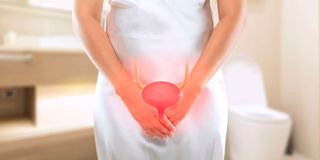
Low oestrogen during breastfeeding can contribute to vaginal dryness, burning or discomfort.
Photo credit: Shutterstock
She suggests that local oestrogen, such as topical creams, may sometimes be considered, but only with caution and under the guidance of a gynaecologist.
“Although applied on the surface, small amounts can still enter the bloodstream, and doctors must ensure both mother and baby remain safe.”
The duration of such treatment varies and depends on factors such as the woman’s medical history, existing gynaecological conditions, family history and how her body responds.
Dr Muthembwa emphasises that oestrogen replacement is rarely used in breastfeeding mothers. Even low-dose local treatments, which are sometimes used for specific conditions, are only considered when absolutely necessary, as the condition is temporary.
The first and most important treatment remains pelvic floor exercises, commonly known as Kegels. “These are muscles, and muscles only improve when you exercise them,” she says. “Many women notice improvement within three to six weeks by doing Kegels consistently.”
If symptoms persist beyond this period, doctors reassess the situation.
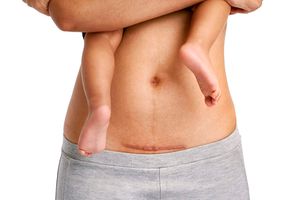
“Sometimes, childbirth-related tears that did not heal well, multiple pregnancies, heavy babies, or pelvic organ prolapse may be contributing factors. In more severe cases, through medical history and vaginal examination, surgical repair may be considered, but only when there is clear and significant muscle weakness,” she explains.
Dr Muthembwa says, “Oestrogen plays a key role in keeping the pelvic area and genital tissues moist, elastic, and well-supported. During breastfeeding, oestrogen levels are naturally at their lowest so the body can prioritise milk production. This is similar to what happens during menopause.”
“When oestrogen is low, tissues in the urinary tract and pelvic area may become drier and less elastic, which can worsen symptoms such as leakage. Once breastfeeding stops, oestrogen levels gradually rise again, and the body slowly returns to its usual hormonal balance,” she adds.
However, not all women are affected the same way. Some are more sensitive to hormonal changes than others. “Even when two women have similar oestrogen levels, one may experience more urinary symptoms simply because her body reacts more strongly to the drop,” Dr Muthembwa says.
Additionally, urine leakage is also not inevitable after every childbirth. Some women never experience it, while others may have it after one pregnancy and not another.
“The risk tends to increase with multiple pregnancies, closely spaced births, heavier babies and a family history of pelvic muscle weakness,” she says.
So when should a woman worry? “Leakage is common in the first three to six weeks after delivery and often improves gradually. However, if it persists beyond three to six months, accompanied by pain, irritation, difficulty passing urine, blood in the urine, unusual urine colour or abdominal pain, medical review is important.”
At that point, the issue may no longer be related to pregnancy alone and should be investigated further.
Dr Muthembwa says, early intervention makes a big difference. “Start pelvic floor exercises before pregnancy, attend antenatal clinics early, and practice pregnancy-friendly exercises such as Lamaze, which can strengthen muscles and improve delivery outcomes.”