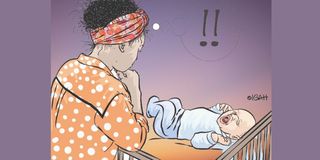
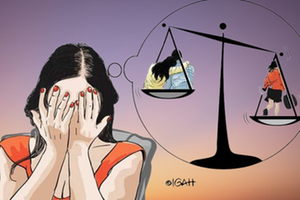
I was raped two years ago and became pregnant. I requested a termination but was informed that the law did not allow it. Since the child’s birth, I have struggled to bond due to trauma. I asked that the child be considered for adoption, but no action was taken at the hospital. I am unable to care for or relate to this child. What options are available to me now?
The law does not express emotion or empathy, yet judicial officers often rely on emotional appeal when making submissions or evaluating arguments. This contrast means that survivors of sexual violence frequently feel that the law falls short of their expectations, especially in situations as complex and painful as yours. Sexual violence inflicts deep physical, emotional and social harm, and its consequences extend far beyond the incident itself.
An unwanted pregnancy, regardless of the circumstances, remains an unwelcome burden to the person carrying it. The Kenyan Constitution, through Article 26(4), protects the right to life from conception, which limits voluntary abortion and leaves distressed mothers without an easy option.
However, the Constitution does allow termination when a trained health professional determines that the woman’s life or health is at risk, or when emergency treatment is required. Importantly, “health” includes mental health. Jurisprudence affirms that denying a woman lawful abortion when her mental or physical health is threatened is unconstitutional. In your case, the health providers who first attended to you appear to have failed to recognise or assess your mental distress, thereby denying you a lawful option for mandatory medical termination.
Even so, the law provides pathways that can still address your situation. A survivor living with unresolved trauma and emotional instability, and struggling to relate to a child conceived through rape, requires support. Your inability to bond with the child is not a moral failure; it is a recognised psychological response to trauma. At the same time, the child lacks the emotional support necessary for healthy development and may require care and protection, including possible adoption.
The Sexual Offences Act (2006) defines rape as penetration without consent and recognises the profound psychological harm it causes. Survivors are entitled to medical treatment, psychosocial support and protection. Reporting can occur even years later; delayed reporting does not erase the violation or the rights that flow from it. The law can respond to your situation without diminishing your suffering.
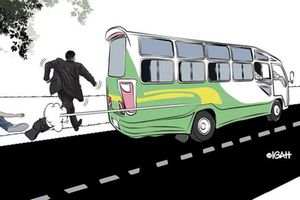
Kenyan child law permits physical and emotional separation of a child from a parent when uncertainty or harm exists. This approach arises from the best interests of the child principle, which rejects adult‑centred interests, welfare‑blind formalism, patriarchal presumptions, economic superiority, parental conflict, institutional convenience, absolute parental autonomy and unguided child preference. A child born of rape may therefore be protected through alternative care when parenting would harm either the child or the survivor.
Kenyan child law permits physical and emotional separation of a child from a parent when uncertainty or harm exists.
Photo credit: Shutterstock
The Children’s Act recognises that a survivor should not parent a child if doing so would harm either party. Sections 73–75, which address children in need of care and protection, allow placement in alternative care when a parent cannot provide adequate emotional or psychological support.
This process involves assessment by a Children’s Officer and may result in temporary or long‑term foster care, kinship care or placement in a charitable institution. Another pathway is voluntary placement for adoption, which requires formal consent, assessment by the Children’s Department and approval by the Adoption Committee and the High Court. An informal request at a hospital cannot trigger adoption; the law requires a structured process.
You may initiate an adoption process if it would improve the child’s chances of a stable life. A mental‑health assessment can support this request, especially since survivors of rape often experience depression, post‑traumatic stress disorder (PTSD), anxiety and attachment difficulties. Such an assessment documents your psychological state and connects you to counselling and psychosocial services essential for healing.
Although late reporting complicates criminal prosecution, it can still open access to survivor‑centred support, including counselling, legal aid and child‑protection referrals. It also creates an official record of the circumstances surrounding the child’s conception, which may be relevant in care‑and‑protection proceedings.
Kenyan courts have affirmed reproductive rights and survivor protection. In (Fida – Kenya) & 3 others v Attorney General & 2 others, eKLR, Petition No. 266 of 2015, the High Court held that abortion is lawful when a trained health professional determines that the woman’s health is at risk. In PAK & another v Attorney General & 3 others [2022] KEHC 262 (KLR), the Court of Appeal emphasised that denying lawful abortion violates constitutional rights within the parameters set out in Article 26(4).
International jurisprudence, such as LC v Peru, similarly recognises that denying reproductive choice after rape violates human rights.