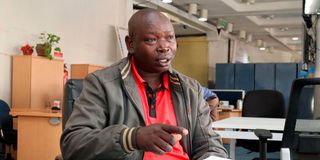
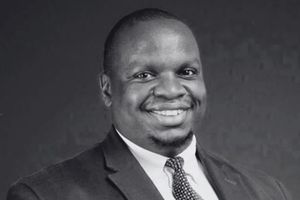
Caption for the landscape image: 'I’m now jobless’: How Ruto’s trader crackdown reached Cape Town Tuesday, September 08, 2026 Scroll down to read the article Thomas Ondabu Obure during an interview at Nation Centre on February 27, 2024. Photo credit: Bonface Bogita | Nation By Daniel Ogetta Reporter Nation Media Group Article Related When he woke up on Tuesday morning, Thomas Ondabu Obure, 45, did what he had done countless times since relocating to South Africa from Kenya. He prepared for work. Only this time, a text message confirmed that there was no work to go to. PREMIUM State House gives foreigners 90 days, warns Kenyans against vigilantism State House says Ruto's directive followed complaints raised with the President last week. PREMIUM Foreigners panic over exit order Long queues formed outside Burundi's embassy as anxious traders sought clarity on their status, while some Burundian nationals sought assistance to leave. PREMIUM Kenya to register Burundians, EAC nationals without valid documents Foreigners directed to register with embassies for documents to enable them stay in Kenya. PREMIUM Why over 26,000 Kenyans in South Africa chose not to return home Only 472 out of the estimated 27,000 Kenyans in South Africa chose to be returned home. PREMIUM Irony of Kenya’s brain drain: Taking jobs abroad, suffering at home The government has been on an overdrive, hunting for jobs for Kenyans abroad. . Recommended for you PREMIUM Education data systems switch leaves schools with millions in funding gaps PREMIUM Christopher Mwenda death: Nine months of grief and unanswered questions PREMIUM Rare twin elephant calves bring hope to Amboseli after 18 jumbo deaths PREMIUM Political divisions play out at Raila’s first anniversary Login to join the discussion Please enable JavaScript to view the comments powered by Disqus. In the headlines Elections News Counties Business Opinion Sports Life & Style Health Podcasts Photos Newsletters Puzzles PREMIUM Christopher Mwenda death: Nine months of grief and unanswered questions Family pursues justice for kin who died under strange circumstances in a hospital in Nairobi. PREMIUM Nelson Amenya: It is the same failed promises from Kenya’s populist politics You can recognise a populist by his promise to defend the common man against establishment elites. PREMIUM Dongo Kundu project puts Mijikenda sacred sites in limbo Mijikenda elders give State 21-day deadline to identify new location for sacred shrines.
PREMIUM State House gives foreigners 90 days, warns Kenyans against vigilantism State House says Ruto's directive followed complaints raised with the President last week.
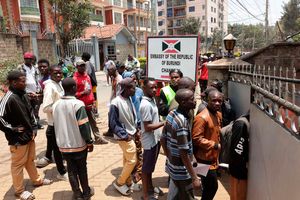
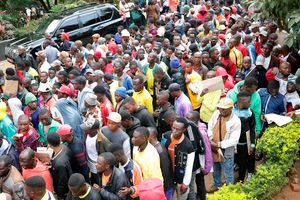
PREMIUM Foreigners panic over exit order Long queues formed outside Burundi's embassy as anxious traders sought clarity on their status, while some Burundian nationals sought assistance to leave.
PREMIUM Kenya to register Burundians, EAC nationals without valid documents Foreigners directed to register with embassies for documents to enable them stay in Kenya.
PREMIUM Why over 26,000 Kenyans in South Africa chose not to return home Only 472 out of the estimated 27,000 Kenyans in South Africa chose to be returned home.
PREMIUM Irony of Kenya’s brain drain: Taking jobs abroad, suffering at home The government has been on an overdrive, hunting for jobs for Kenyans abroad.
PREMIUM Christopher Mwenda death: Nine months of grief and unanswered questions Family pursues justice for kin who died under strange circumstances in a hospital in Nairobi.
PREMIUM Nelson Amenya: It is the same failed promises from Kenya’s populist politics You can recognise a populist by his promise to defend the common man against establishment elites.
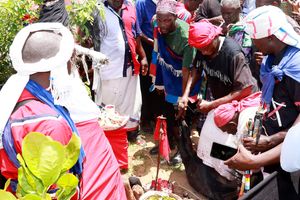
PREMIUM Dongo Kundu project puts Mijikenda sacred sites in limbo Mijikenda elders give State 21-day deadline to identify new location for sacred shrines.