The management of junior schools, teachers’ promotion prospects and demands for better remuneration will take centre stage when primary school heads meet in Mombasa from Monday for their annual national conference.
The heads want primary and junior schools to operate under one administration, with a single head of institution overseeing the entire comprehensive school and deputies managing the different sections.
They argue that establishing separate administrative structures for primary and junior schools would increase government expenditure and complicate the management of institutions at a time when schools are already grappling with limited resources.
The position is expected to feature in discussions at the Kenya Comprehensive Schools Heads Association (KECSHA) 2026 Annual General Meeting and National Conference, which begins on Monday, November 9, at the Sheikh Zayed Children Welfare Centre in Mombasa.
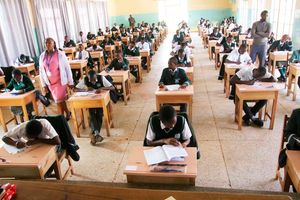
Delegates during the Kenya Primary Schools Head Teachers Association National Annual General Conference at Sheikh Zayed Hall in Mombasa on November 10, 2025.
Photo credit: Kevin Odit | Nation Media Group
The four-day conference, held under the theme “Re-imagining the Comprehensive School of the Future: Strengthening Leadership, Systems, Skills and Values for Sustainable Quality Education”, comes as the government continues implementing Competency-Based Education reforms and integrating junior schools into primary institutions.
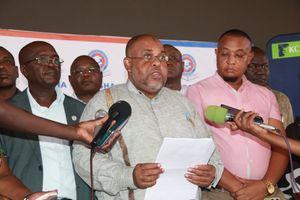
“We are not for autonomy. We are only for one administration for the entire comprehensive school, as recommended by the Presidential Working Party on Education Reform. We want all the sections, from early childhood development to primary and junior school, to operate under one organisation known as a comprehensive school,” said KECSHA National Chairman Fuad Ali.
The disagreement over the management of junior schools has persisted since the government domiciled the learning level in primary schools in 2023, following recommendations by the Presidential Working Party on Education Reform.
KUPPET has consistently opposed the arrangement, arguing that junior schools should either operate independently or be transferred to existing secondary schools, where they would be managed alongside senior schools.
The union maintains that junior school teachers, most of whom are trained as secondary school teachers, should not be placed under the administration of primary school headteachers.
However, Mr Ali said the heads preferred a structure with one principal and deputies responsible for the different sections, rather than separate heads for each level.
Mr Ali maintained that the current comprehensive school arrangement had worked well, pointing to the transition of learners from Grade 6 to Grade 7, which he said had recorded 100 per cent progression.
Beyond the management question, the heads are also pushing for changes to teachers’ career progression, particularly opportunities for primary school teachers to advance to higher job grades.
Headteachers verify their school enrolment details captured by the Ministry of Education during the 2025 Kepsha Annual Delegates Conference in Mombasa on November 11, 2025.
Photo credit: Kevin Odit | Nation Media Group
Mr Ali said the proposed implementation of the Teachers Service Commission’s Career Progression Guidelines would address barriers that have left some teachers unable to advance despite acquiring additional academic qualifications.
“Once those Career Progression Guidelines are put in place, every teacher will get an opportunity to move to a different grade depending on his or her level of education. There should be no barrier that leaves a teacher stagnant in one grade. Teachers should be able to move up, just like our counterparts in the senior section,” he said.
The heads are also seeking improved grading for school administrators, arguing that their job groups should reflect the additional responsibilities they have taken on following the integration of junior schools.
Mr Ali said they expected the proposed changes to be considered by the Salaries and Remuneration Commission (SRC).
“This needs to be appreciated by giving us a higher grade. We have taken up additional responsibilities in managing the schools, and we are waiting for the recommendations from SRC,” he said.
The push for improved recognition and remuneration is not new. At their 21st annual conference in Mombasa in November 2024, primary school heads demanded promotion to principal positions, arguing that the integration of junior secondary schools had expanded their administrative responsibilities.
They wanted their job grading reviewed to allow progression beyond Grade D1, with the ultimate goal of reaching D5, the chief principal scale.
The headteachers argued that they were effectively managing three institutions — pre-primary, primary and junior school — without corresponding recognition and remuneration for the additional responsibilities.