At dawn in Eldoret, long before the morning chill lifts over the Rift Valley, a quiet convoy of family cars pulls into a church compound in Maili Nne.
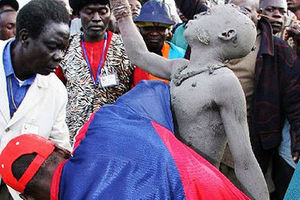
Inside are anxious teenage boys carrying mattresses, basins and Bibles. They are not going to boarding school. This is the modern kit for a rite of passage that once demanded a trek to the riverbank and the steady hand of a village elder.
In Mt Kenya, the scene is almost identical. Every December, thousands of boys disappear into church compounds for one week. They come out circumcised, with a certificate, and evangelised into Christianity.
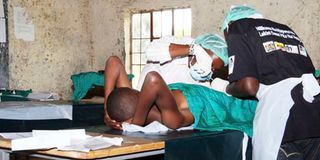
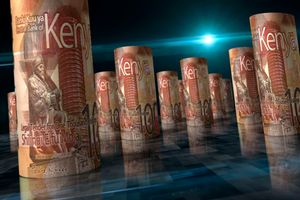
The initiation ground is now a gated church hall, the surgeon wears medical scrubs, and the admission ticket costs tens of thousands of shillings. Depending on a church’s status, location and the duration of the camp, parents pay between Sh10,000 and Sh50,000 per child.
Kiama Kia Ma national patron Kung’u Muigai laments that “nobody calls it business, they call it ministry”. Economically, he says, it is a seasonal industry worth tens of millions every year, “and it repeats itself like harvest”.
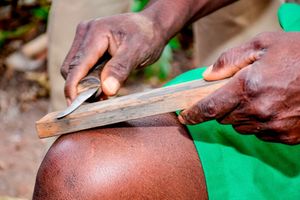
It was not always so. According to Mr Joseph Kaguthi, the convener of elders and the clergy in the joint Council of Elders in Mt Kenya, circumcision belonged to the elders.
“They decided who cuts, when, where, and what the boy is taught. A family paid them with a goat, with beer, with respect. The boy joined an age-set that governed him for life,” he said.
Missionaries broke that order. From the 1920s to the 1950s, he says the Church of Scotland (PCEA), the Catholic Church, among others, banned what they called forest circumcision.
“The missions built hospitals. The doctor replaced the traditional circumciser. The hospital replaced the forest. The elders lost the first battle because they had wisdom but no hospital,” Mr Kaguthi said.
Later, he says, the Mungiki sect and other gangs made home-based healing risky, and boys recuperating at home were recruited into gangs.
“This is the fault line the church took to convince families that it was risky to trust cultural circumcision and proposed the religious cut. The proliferation of single mothers in the community also fuelled the adoption of religious cut,” he said.
Murang’a-based preacher Charity Kagina says, “A church camp is a school compound. It has a fence, a gate, and a watchman. Your son’s name is written down. You get a receipt. The church became the security provider because the state and the elders failed.”
For parents, the bill is real. James Rono of Eldoret paid Sh17,000 to have his son hosted for a one-week camp at a Catholic church.
“We are paying Sh17,000 for a period of less than 14 days. The fee covers the doctor’s charges for the cut, food, accommodation, and the mentorship programme,” he said. “It is expensive in these tough economic times, but as parents, we want our boys to be safe and guided properly.”
Bishop Joseph Kagunda of ACK Mt Kenya West, a pioneer of church-run circumcision, admits the church charges a fee that was up to Sh10,000 in his time and has since risen sharply.
“Besides food, they did not get much in terms of counselling and being guided into the next phase of their lives. Now we teach them about being responsible,” he said.
An Eldoret bishop who asked not to be named said: “Most of us offering the services as churches, we are not after profit. People look at the sum and think the church is making a profit, yet they forget we feed these boys three to four times a day, pay qualified doctors, hire security, and bring in professionals to mentor them.”
Another said: “You cannot put a price tag on saving a boy from drug abuse, radicalisation, and moral decay. We are building responsible men for the church and the nation.”
Even within the church, there is unease. Bishop Wilson Kurui of Jesus Love Ministries in Eldoret supports the initiative but cautions: “This service should not be viewed as an opportunity to generate income but must be used as one of the ways the church is supporting the society.”
The initiation ground is now a gated church hall, the surgeon wears medical scrubs, and the admission ticket costs tens of thousands of shillings.
Photo credit: Shutterstock
PCEA’s Rev Hezekiah Murage questions whether the camps produce real manhood or just a certificate, while theologian Dr Samuel Ndogo counters that criticism must be based on evidence, not anecdotes. For the elders, the church’s dominance is cultural erasure dressed in clerical robes.
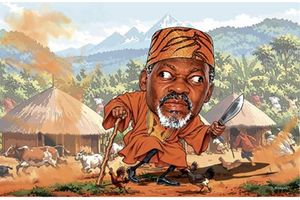
“Christians must stick to preaching the gospel and leave circumcision to us,” said 91-year-old Thomas Ingara, a Tiriki traditional circumciser from Kalwani village in Hamisi sub-county. “Now, churches are forcing foreign culture into our rites while hiding behind the Bible to collect huge sums of money from poor parents. When you strip a boy of his cultural roots and lock him in a hall for a week, what kind of elder will he become tomorrow?”
“But the elder is limited to only greeting the boys. He is given tea and fare home. The elder who once received a whole goat now receives almost nothing,” he said.
Kiama kia Ma proposes that the church teach the boys for one week and the elders for another one week.
“Most churches have refused. Officially, they say elders will teach pagan things. Unofficially, elders say the real reason is money: If elders come in, parents will ask why they are paying Sh20, 000 to the church when elders charge about Sh5,000,” said Mr Muigai.
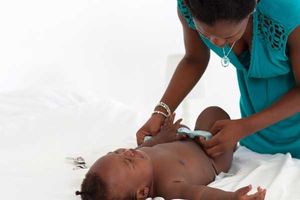
Nurses carry out voluntary medical male circumcision procedure on a boy. Every December, thousands of boys disappear into church compounds for one week. They come out circumcised.
Photo credit: File | Nation Media Group
“There are things that pastors cannot articulate well when it comes to circumcision,” he said.
Safety is the other concern. Pastor Isaac Wanakacha, a senior nurse formerly at Moi Teaching and Referral Hospital, advocates for hospital-based circumcision followed by guidance at home.
“Public hospitals and accredited clinics offer very favourable rates, and many facilities even allow parents to use the Social Health Authority (SHA) cover to settle the bills,” he said.
“It won because it had secure circumcision venues as well as trusted clergy for mentorship. Mungiki made circumcision dangerous. The church made it safe. Then the church made it profitable,” he argued.
He added that until Mt Kenya creates a model that is safe, affordable and owned by neither a gang nor a church business, the elders will continue to lick the bone outside the circumcision gate, while the church mints millions inside.