In 2021, Susan Njeri kissed her two young children goodbye and boarded a flight to Saudi Arabia in search of greener pastures.
With a small suitcase and a far bigger dream, she hoped to earn a decent living and lift her family from poverty by securing a better future for her children.
Despite widespread reports of abuse and exploitation of Kenyan domestic workers in the Middle East, Njeri was determined to endure the challenges and emerge stronger.
But instead of the better pay and opportunities she had envisioned, her journey became shattering and life-altering.
Before travelling, she lacked the money to process her documents and sought help from a Nairobi-based travel agent who, understanding her situation, charged no fees.
What she did not know then was that the journey meant to rescue her family from hardship would plunge her into one of the darkest chapters of her life.
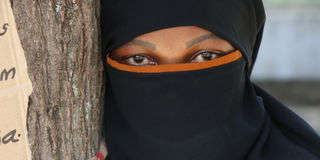
Susan Njeri, 34, in Nakuru City on January 18, 2026. She was detained and later imprisoned in Dhahban prison for being in Saudi Arabia illegally.
Photo credit: Boniface Mwangi | Nation Media Group
Back home, employment opportunities were scarce and the little she earned from casual jobs could barely put food on the table or keep her children - then in Grade Nine and Grade Five - in school.
The first two weeks in Saudi Arabia were disorienting and quickly shattered the promise of a better life she had been sold by recruiters.
She says she was placed in a household where she worked long hours with little rest. Her passport was allegedly confiscated upon arrival, communication with her family was restricted and her salary - when paid at all - came late.
It soon became clear she was entirely at the mercy of her employer in a country whose language and culture she barely understood.
“I only informed my mother that I was travelling to Saudi Arabia so I could fend for my children, whom she agreed to take care of in my absence. I was full of hope, but life there turned out to be worse. As a domestic worker, I woke up before everyone else and slept long after midnight. The contract said eight hours of work, but there were no off days. Sometimes I was insulted and threatened and I felt trapped,” recalled Njeri in an interview with Nation.Africa.
After enduring the conditions for seven months, she made a decision that would change the course of her life. She left her employer and began moving from house to house in search of better pay and humane treatment.
She describes the period as one of relentless labour, exhaustion and withheld wages.
Like many migrant domestic workers, she relied on informal networks and word of mouth, unaware that leaving her assigned employer without official clearance was a serious offence under Saudi labour and immigration laws.
For nearly three years, she worked under the radar of authorities.
“My first employer did not take my departure lightly. I was reported, but I thank God I was not arrested immediately. One day, I ran into my first employer and she was shocked to see I was still in the country. A week later, I was arrested,” she said.
With no translator or legal representation, Njeri was detained and later imprisoned in Dhahban prison for being in Saudi Arabia illegally - despite her travel documents having been withheld by her former employer.
She described prison life as dehumanising. Cells were overcrowded, poorly ventilated and they lacked adequate sanitation. She adds that food was scarce and of poor quality, medical care was limited and detainees were often unable to communicate with their families.
Susan Njeri, 34, on January 18, 2026. She was imprisoned in Saudi for six months.
Photo credit: Boniface Mwangi | Nation Media Group
“Most of us, Kenyans and others, did not speak Arabic. There were no translators. We didn’t understand the charges against us or how to ask for basic needs. I realised hundreds of Kenyans were suffering in jail without their families back home knowing. We slept on the floor, sometimes without mattresses or blankets. You could fall sick and stay for days without seeing a doctor,” she said.
The emotional toll was devastating a separation from her children weighed heavily on her compounded by guilt and fear that she might never see them again.
Her release came through an unlikely lifeline as her last employer paid the required fines and travel costs, securing her deportation to Kenya.
“I was lucky. Without her help, I would probably still be in prison,” Njeri said.
She returned to Kenya three weeks ago, while exhausted, traumatised and with nothing to show for the years she had spent abroad, saying reintegration has been difficult as the stigma of imprisonment and lingering psychological scars continue to haunt her.
“We had a good working relationship with my last employer. When she learnt I had been arrested, she came to my rescue, ensured my documents were returned and paid the fine,” she said.
While incarcerated, she says she became aware that many Kenyan families live in distress, unaware of the fate or whereabouts of their loved ones after communication suddenly goes silent.
“In some cases, Wi-Fi access was withdrawn, completely isolating us from our families. A significant number of Kenyans, especially women, remain detained in Saudi prisons, while others are stuck in shelters. They need urgent intervention from the Kenyan government. Many are misled by agents, trapped in abusive work environments and later criminalised for trying to escape,” she said.
Before leaving Saudi Arabia, fellow detainees handed her phone numbers of relatives to contact back home.
“They asked me to inform their families of their plight. I have tried calling many, but this now requires government intervention. Kenyans should seek accurate information, understand contracts and know their rights before leaving the country,” she advised.