Kenya’s food basket is under deeper focus as the prices of key commodities such as maize flour, sukuma wiki , and cabbage continued to rise significantly amid ravaging drought in some parts of the country.
Fresh data by the Kenya National Bureau of Statistics (KNBS) shows that the impact of the poor short rains is already filtering through to markets, piling pressure on the country’s overall inflation.
The country’s inflation dipped marginally to 4.4 percent year-on-year in January 2026 from 4.5 percent the previous month, mainly curtailed by significant rises in the prices of cabbages, fortified maize flour, Sukuma wiki, and Irish potatoes, which increased by 9.3percent,6.7percent, 4 percent, and 3.4 percent, respectively.
“Over the twelve months until January 2026, the food and non-alcoholic beverages division index rose by 7.3 percent,” KNBS said.
Between December 2025 and January 2026, the average price of sugar declined from Sh 179.60 to Sh 174.17 per kilogramme, while cooking oil (salad) recorded a marginal decrease from Sh 342.98 to Sh 342.50 per litre.
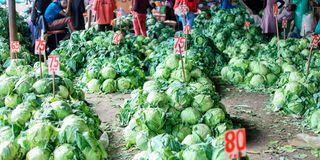
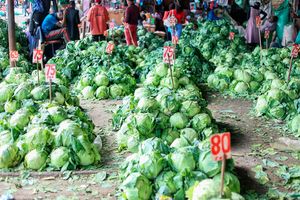
In contrast, prices of maize grain (loose) rose from Sh 69.39 per kg to Sh 71.28 per kg, kale (sukuma wiki) increased from Sh 98.51 per kg to Sh 102.45 per kg, a 2kg pack of fortified maize flour went up from Sh 162.56 to Sh 173.51, and cabbages increased from Sh 65.39 to Sh 71.47 per kilo.
The food price increases come after one of the driest October–December short-rain seasons in decades, which disrupted crop production and reduced market supply, particularly for fresh vegetables and maize-based foods.
The Kenya Meteorological Department, in its climate outlook for the October–December 2025 “short rains” season, had indicated that most parts of the northeast and Southeastern lowlands and the coastal region were expected to receive below-average rainfall.
This came to pass with government and humanitarian agencies warning that the weak short rains have disrupted crop production, reduced pasture availability, and strained food supply chains, raising the risk of higher food prices in early 2026.
According to the National Drought Management Authority, several counties entered drought alert or alarm phases following the poor rains, with early stress signals emerging even in areas previously classified as normal.
The government projects that at least 2.1 million citizens are at risk of severe hunger and water scarcity if the drought persists.
“The government has disbursed over Sh6 billion in the last month to support drought mitigation interventions, including distribution of food and water to citizens in the affected areas,” said Deputy President Kithure Kindiki in mid-January.
“A further Sh4 billion will be allocated every month to sustain the drought mitigation interventions,” he said.
KNBS data shows that the food and non-alcoholic beverages index rose by 1.1 percent in January, the second-largest monthly increase among the 13 expenditure divisions tracked by the data agency after education services, underlining food’s growing role in driving the cost of living.
Kenya’s short rains, which normally support vegetable production and replenish food stocks ahead of the new year, delivered well below average rainfall in many regions, tightening supplies during a season when market availability is usually stable.
The impact has been most visible in fresh produce prices, which tend to respond quickly to weather shocks due to short growing cycles and limited storage.
The rise in food prices has kept non-core inflation elevated at 10.3 percent, compared with core inflation of 2.2 percent, highlighting the continued dominance of volatile food items in household spending patterns.
“Food and non-alcoholic beverages contributed 2.2 points to the overall inflation during the period,” wrote KNBS.
In contrast, transport prices declined by 0.7 percent during the month, supported by lower petrol and diesel prices, while information and communication costs remained unchanged.
Kenya’s headline inflation has remained below five percent since mid-2025, supported by a stable shilling and easing imported inflation, particularly for fuel and manufactured goods.