Agriculture Cabinet Secretary Mutahi Kagwe has warned that the ongoing conflict between Iran and the Middle East could disrupt Kenya’s agricultural exports, as the government closely monitors its impact on key markets and logistics.
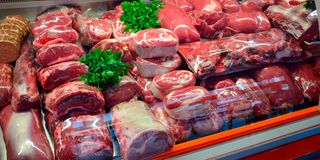
Mr Kagwe said Kenya ships meat and animal products worth about Sh300 million weekly to the Middle East, including Iran, and the recent tensions have affected trade flows and transportation routes.
This follows reports by Kenyan meat exporters of losses after cargo flights to the Gulf were suspended on March 1 amid rising Iran–Israel tensions.
Mutahi Kagwe: Middle East conflict disrupting Kenya’s agricultural exports
“We are exploring new markets, especially for meat, as some of our current ones are being disrupted. The Iran conflict has created alternative opportunities, and we believe these can replace the markets we are losing. A government team is assessing the situation, and we are confident we will find a way through this,” Mr Kagwe said while presiding over the presentation of the letter of Interim Authority to Outspan Global University in Nyeri on Wednesday.
Iran has historically been one of Kenya’s largest buyers of tea, with annual exports reaching millions of kilograms.
Kenya’s Dubai distribution hub, run through the Dubai Multi Commodities Centre (DMCC), plays a key role in blending and supplying tea to Middle Eastern countries.
However, tea exports to Iran have been halted for the past two years following a quality scandal in 2024, which led Iran to ban Kenyan tea.
According to the Tea Board of Kenya, the country exported about 13 million kg of tea to Iran in 2024, valued at roughly $32.8 million (Sh4.26 billion).
Efforts to restore trade began in August 2025, when Kenya and Iran set up a joint committee with a 60 day timeline to resolve barriers and lift the ban. Progress stalled, however, as the Middle East conflict escalated, delaying the resumption of exports.
“The major concern is logistics and transportation because most of our goods pass through the Red Sea,” said Mr Kagwe, adding that alternative markets will cushion farmers against potential losses.
Locally, the government is stabilising the agricultural sector by subsidising fertiliser. Through the supplementary budget, Sh8 billion has been allocated for distribution. Since December, about three million bags have been delivered to farmers, with another 1.5 million expected before the planting season.
The CS said supply delays were due to logistical challenges and late supplier payments, but assured farmers that the issue is being addressed.
“We are telling suppliers not to worry as we finalise the supplementary budget so that payments can be made and fertiliser distribution continues smoothly,” he said.
Mr Kagwe also confirmed that the government has banned 77 harmful pesticides and prohibited chemicals banned in other countries from use in Kenya.
Authorities are working with pyrethrum processors to replace chemical products with organic alternatives.