Along the Kithimani-Makutano ma Mwala road in Machakos County, heaps of cowpeas that appear on the roadside near Bishop Ndingi Township mark the end of the rainy season.
This collection point is a key stopover as the popular vegetable embarks on its one-way journey to dining tables in Nairobi.
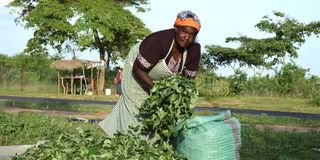
When a Seeds of Gold team visited one of the collection points, a worker could be seen methodically spreading cowpeas on polythene sheets.
“We spread out the vegetables to aerate them before packing them in bags for transport to Nairobi,” said Petronila Munyiva, the local resident behind the enterprise.
"This is my 31st year in the cowpea business,"she added.
Ms Munyiva is one of dozens of traders who deliver truckloads of assorted vegetables to Wakulima Market in downtown Nairobi every day.
Petronila Munyiva prepares her produce at Bishop Ndingi Township in Machakos County on December 27, 2025. She has been trading in vegetables for the last 31 years.
Photo credit: Pius Maundu| Nation Media Group
A 30-minute conversation with Ms Munyiva reveals her deep understanding of the cowpea vegetable market.
“Most of the cowpeas end up in high-end restaurants in various parts of the city. The rest is picked up by small-scale grocers, who sell it to individual consumers in various estates around the city,” she said.
Ms Munyiva's work begins with sourcing cowpea vegetables from farmers. When she is not doing this, she sources them from a rich network of smallholder farmers in Machakos, Kirinyaga, Kisumu and Kilifi counties.
Nevertheless, there is still a demand for more.
"The market for indigenous vegetables such as the cowpea in Nairobi is so huge that farmers and traders cannot meet demand. Indigenous vegetables such as cow peas are the most popular vegetables in Nairobi. This demand is partly fuelled by health and nutrition concerns," she said.
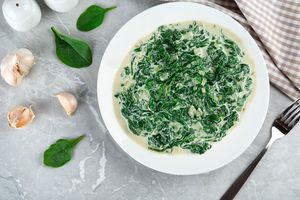
The cowpea, scientifically known as Vigna unguiculata, is regarded as a superfood. Nutritionists say that this vegetable is a rich source of protein, carbohydrates, vitamins A and C, and essential minerals such as folate, magnesium, iron and zinc. The fibre in the vegetable improves digestion and relieves constipation.
It contains antioxidants that combat cell damage. The cowpea is a legume that is rich in protein, carbohydrates and fibre.
A neighbour who had established a strong presence in the industry offered to mentor the young woman. She took to the business like a fish to water.
"On the first day, I made a profit of Sh500 from selling a bag of vegetables," Ms Munyiva recalled. Although the business involves enduring long nights in the cold and dealing with dishonest brokers, Ms Munyiva has never looked back.
Over the years, the mother of four has established herself as a leading figure in the cowpea vegetable trade in Nairobi's Wakulima Market.
Apart from the Christmas holiday, Ms Munyiva says that demand for cowpea vegetables in Nairobi remains constant throughout the year.
"We significantly scale down operations during the Christmas holiday to align with a significant drop in demand, as our customers retreat to the countryside. Demand shoots back up in January and peaks during the dry season,” she adds.
Given her experience, Ms Munyiva is keen to encourage farmers in the semi-arid regions of Kitui, Machakos and Makueni counties to increase their cowpea cultivation, which she promotes as a means of combatting food insecurity and poverty. She also invests heavily in irrigation.
She has contracted dozens of farmers in the Mwea region of Kirinyaga County to grow cow peas in an attempt to meet the growing demand for this popular vegetable in the capital city.
Ms Munyiva is the breadwinner for her extended family. Thanks to entrepreneurship, she has been able to educate her children and build a large home.
However, she believes that the real impact of her enterprise lies with the farmers whose lives she has touched. Her enterprise has reinforced the work of agronomists who encourage farmers in semi-arid regions to grow drought-resistant crops in order to boost their resilience to droughts associated with climate change.
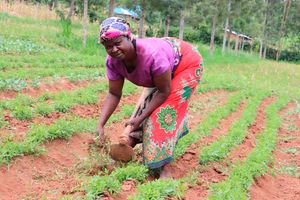
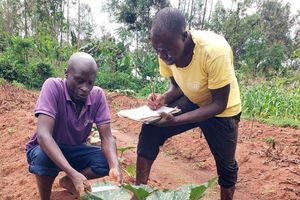
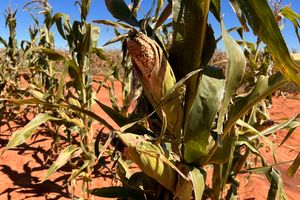
In Kyangii Village, Machakos County, Rhoda Mukei is one of the farmers who has benefited from Ms Munyiva’s enterprise. She grows intercrops of cowpeas, beans, maize and pigeon peas.
“We grow cowpeas with confidence, safe in the knowledge that there is a ready market for them,” she tells Seeds of Gold.
“Cow peas require very little rainfall to grow. We regularly sprinkle ash on the leaves to combat aphids, which attack the crop at various stages. The vegetable is ready for harvesting after around 4 weeks.
"This boosts our food security and helps us fight poverty. The cowpea vegetable is safe to consume straight from the farm, as we don't use any chemicals on it. I earn at least Sh6,000 per acre from selling cow pea vegetables every rainy season. This money supports my family," says Ms Mukei.
A similar story can be found around Mwea in Kirinyaga County, where Ms Munyiva has introduced cowpea farming to dozens of farmers. This provides an additional revenue stream for farmers who grow rice through irrigation.
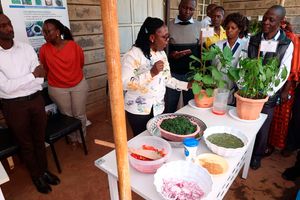
Entrepreneurship experts are placing significant bets on adding value to unlock the full potential of the cowpea enterprise. "Entrepreneurs can earn more by demonstrating that their product is superior to others on the market. This can be achieved by targeting high-end markets, such as Chandarana in Nairobi, and high-end supermarkets.
This requires packaging the vegetable in clean containers with clear labels indicating its nutritional value and how it has been grown.
Organically grown vegetables are superior. Another revenue stream is teaming up with eateries to precook the vegetables, marketing them on social media, and delivering them to customers,” says Jackline Kisato, an entrepreneurship teacher at Kenyatta University.