A month ago, I was called from a beef feedlot farm at Mavoko. The second lot of cattle for fattening and finishing had arrived three days before. I needed to visit the farm and carry out arrival inspection. The procedure is that I should do a thorough health examination of the animals on arrival or the following day to establish their soundness before they settle on the farm.
Animals will usually be in good health if the selection at the point of purchase had been effectively done. I had been sent photos of the animals before being loaded into the trucks at the purchase point in Bisil Market. They had looked good and the right size and weight for feedlot.
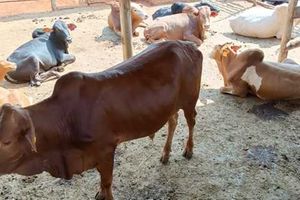
Cattle selection is not a medical activity and can therefore be effectively and legally done by well-trained cattlemen or even the feedlot owner. I had trained the owner of the farm and his workers on cattle breeds, health and selection criteria. I was impressed by the selection I saw on the photos the owner had shown me from Bisil Market. The animals were mainly Sahiwals, Borans and their mixes and crosses.
The call from the farm was made by John, the farm owner. He said one of the animals was producing lots of saliva and finding it difficult to eat. He sent me a photo on WhatsApp. The dripping saliva was evident. I instructed Sankok, the staff in charge of animal health on the farm to check the mouth of the animal and let me know his observations.
Sankok told me the animal had some wounds on the tongue and gums. They were red and painful. I concluded that was foot and mouth disease (FMD) by presentation. The animal had come incubating the disease. I instructed Sankok to isolate the bull and treat anywhere its saliva had contaminated with Magadi Soda solution. He would also wash the animal’s mouth and feet with the Magadi Soda solution. This is the recommended treatment to reduce the severity of FMD infection.
The treatment works by killing the virus as it attempts to establish for multiplication in the skin of the hooves and the lining of the mouth, gums, tongue and lips. These are the areas with the cells that bind the virus and allow it to multiply. They are called the virus receptor sites.
Most disease-causing organisms have areas of the body or organs where they prefer to settle and multiply. The rabies virus, for instance, prefers the nerve fibres through which it travels and settles in the brain to cause the dreaded rabies disease.
We were fortunate the animal’s FMD infection was mild and also never spread to any of the other animals. It cleared by the 7th day since showing signs. I concluded the cattle could have been vaccinated against FMD and still had a high level of immunity. However, we would still vaccinate all of them because they had no records of vaccination.
As feedlot farming becomes more entrenched in our meat production, it is important that all farmers vaccinate their animals as recommended against FMD, Rift Valley fever, anthrax, black quarter, contagious pleuropneumonia and lumpy skin disease; and keep good records of the vaccination. This also means that farmers must adopt livestock identification to associate individual animals with the vaccination. Feedlot farming will increase the mobility of livestock and hence the possibility of disease spread.
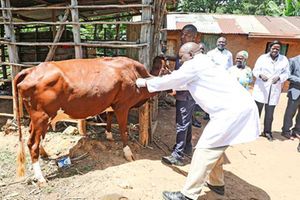
A week after the initial call, I was able to get all the required vaccines and went to the farm to inject the animals, tag them and collect their various data sets for disease protection and insurance coverage.
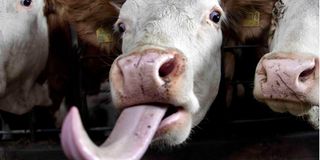
Sankok told me the bull that had FMD was finding it difficult to eat and move the tongue. In fact he said the tongue, unlike before, was now hard and a bit shrunken. The cow ate very slowly over a long period of time.
I observed the bull eating and definitely, there was a problem with the tongue. However, Sankok confirmed the animal eventually ate to its full and had gained 1.5 kg per day in the last one week. That was a fair weight gain, confirming the animal had been eating well albeit slowly.
When I examined the tongue, it was hard like dry wood and very stiff. I noticed there was a healed wound in the pit towards the base of the tongue. I diagnosed wooden tongue disease. It looked like the cow was a moving target on infections. I could not tell what else the bull would surprise us with. I treated it with antibiotics and anti-inflammatory drugs.
Wooden tongue or actinobacillosis is a bacterial infection of the soft tissues in the mouth of cattle, mainly the tongue. The disease is named so due to the tongue’s characteristic hardness and swelling. It is caused by the bacterium Actinobacillus lignieresii, which is normally present in the upper digestive tract but becomes infectious when it enters the soft tissues through cuts or wounds. In this particular case, it could have occurred due to the FMD wounds that were seen in the mouth of the bull when it had FMD.
The disease responds well to treatment if reported and treated early. Severe cases or long-standing cases may permanently destroy the tongue. This makes feeding difficult and the animal may have to be destroyed as it continuously loses weight.
The disease is best prevented by minimising risk of injury to mouth parts. Animals should be given soft feeds. Pastures should be devoid of rough, thorny plants that may injure cattle in the mouth and lips.
Infected animals should be immediately isolated from the healthy ones to prevent contamination of feeds and water and avoid infecting the rest of the herd.