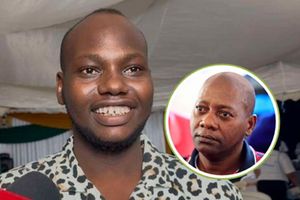
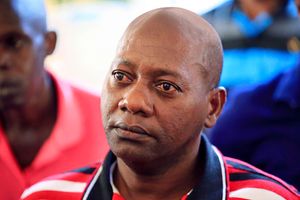
The conviction of controversial preacher Paul Nthenge Mackenzie and his 28 co-accused of the murder of 190 children and one adult in Shakahola has marked a major milestone in the pursuit of justice for the victims of the deadly fasting regime. Lured into the forest by teachings that presented it as a safe place prepared for them by God, the followers died under circumstances that led to the recovery of hundreds of bodies from shallow graves. The verdict, delivered on October 19, offers a measure of accountability for families whose loved ones were among the 429 bodies recovered from the forest between April and September 2023. However, the convictions represent only one part of the wider legal proceedings arising from the alleged religious extremism associated with Mackenzie and his followers. Read: Forces behind Shakahola's deadly fasting regime
Shakahola verdict: Mackenzie, 30 co-accused guilty on all 191 counts of murder
The victims were members of Good News International Ministries (GNI), headed by Mackenzie, with Smart Deri Mwakalama serving as his deputy and a key logistics coordinator. Mwakalama drove a lorry bearing the inscription “Kisha Nikaona”, which transported followers from the ministry’s branch in Furunzi, Malindi, to Shakahola. Members arriving from across the country were first hosted at the church premises before being taken to the forest, where they were allocated land and settlement areas. But the judgment is not the end of the legal battles facing Mackenzie and his associates. Other proceedings include charges of radicalisation, manslaughter and torture of children, as well as a separate murder case framed as crimes against humanity arising from deaths at Kwa Bi Nzaro village in Kilifi County, described as the second phase of the Shakahola massacre. Investigators recovered 53 bodies and 44 body parts during exhumations at Kwa Bi Nzaro in 2025. Prosecutors have linked the deaths to alleged extremist teachings and practices similar to those examined in the Shakahola proceedings. In determining the Shakahola murder charges, Justice Diana Kavedza examined how Mackenzie and his associates allegedly radicalised followers, the structure and practices of GNI, the enforcement of fasting and the respective roles played by the accused. The court also considered parental responsibility, the protection of children and whether the deaths resulted from an organised system of coercion and deprivation. These findings could provide important judicial guidance in the pending radicalisation, manslaughter and child torture cases, particularly where similar legal questions arise. Read: Justice Diana Kavedza: The judge in Paul Mackenzie case who balances courtroom warmth with a firm hand
The radicalisation case, for instance, may raise issues concerning the interpretation of religious teachings, the methods allegedly used to influence followers and the consequences of those teachings. However, the significance of the judgment must be assessed within the applicable legal framework and the precise issues requiring determination in each proceeding. The findings could also be relevant to the separate murder case arising from Kwa Bi Nzaro, which is framed as a crime against humanity.
Shakahola witness recounts losing six children in fasting ordeal
In the Shakahola trial, Justice Kavedza examined whether the mass deaths before her met the legal threshold for crimes against humanity. The High Court handling the Kwa Bi Nzaro case could draw on that analysis when considering similar legal questions, while examining the evidence and charges specific to the deaths at that site. Similarly, the findings on radicalisation could provide judicial guidance to the court handling the separate radicalisation charges against Mackenzie and his co-accused. In the murder judgment, Justice Kavedza examined how religious teachings were allegedly manipulated to radicalise followers, the structure and practices of GNI, and how the teachings translated into actions that contributed to the deaths. A High Court decision does not automatically bind another High Court judge in the same way that binding precedent from a superior court governs a lower court. Its treatment will depend on the applicable rules of precedent and the legal issues under consideration. Read: ‘It is a relief’: Mackenzie’s son welcomes father’s conviction over Shakahola killings
More importantly, the convictions on the murder charges do not automatically establish guilt on the separate charges. Each court must independently evaluate the evidence before it, apply the relevant law and determine whether the prosecution has proved the offences against each accused person to the required standard. The significance of the Shakahola judgment therefore extends beyond the convictions themselves. The status of the remaining cases varies, with three proceedings involving radicalisation, manslaughter and offences against children having concluded their hearings and now awaiting judgments in November. Before the Shanzu Law Courts, Mackenzie, his wife Rhoda Mumbua Maweu and dozens of co-accused face four terror-related charges arising from their alleged activities within Good News International Ministries.
Paul Mackenzie's son not sad after father's murder convictions, says he was a victim at 12
The charges include engaging in organised criminal activity, radicalisation, facilitating the commission of a terrorist act and possessing publications allegedly intended to instigate terrorism. Mackenzie, Maweu, Mwakalama’s wife, Mary Kadzo Kahindi, and 28 others are accused of engaging in organised criminal activity that endangered lives and led to the deaths of 429 church members and followers. The same group faces radicalisation charges, with the prosecution alleging that they promoted an extreme belief system intended to facilitate ideologically motivated violence through fasting to death, purportedly in pursuit of religious change. A separate group comprising Baron Chahenza and 63 others faces similar radicalisation charges. Mackenzie and Mwakalama are separately accused of facilitating a terrorist act by transporting GNI members between Shakahola Forest and Malindi, allegedly endangering their lives in the process. Read: This man Paul Mackenzie: From hawker to Shakahola radical religious influence
Mackenzie and his wife also face charges of possessing CDs, DVDs, books and pamphlets allegedly intended to instigate terrorist acts by endangering church members. The prosecution alleges that these offences occurred at Furunzi in Malindi on various dates between 2020 and 2023. In a separate case before the Mombasa Magistrates’ Court, Mackenzie and his co-accused face 238 counts of manslaughter under Sections 202 and 205 of the Penal Code.
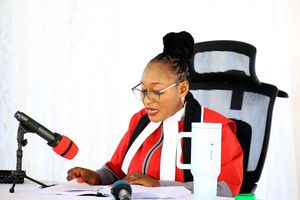
Justice Diana Kavedza delivers her verdict on the Shakahola mass deaths at the Mombasa Law Courts on October 19, 2026.
Photo credit: Kevin Odit | Nation Media Group
The prosecution alleges that the accused, acting in furtherance of a suicide pact intended to cause their own deaths and those of others not before the court, jointly caused the deaths of 238 people. The alleged offences occurred on unknown dates between January 2021 and September 2023 in the Shakahola area of Malindi Sub-County, Kilifi County. At the Tononoka Children’s Court, Mackenzie and his co-accused face charges relating to the alleged torture and mistreatment of children, cruelty to children and violations of minors’ right to education. The prosecution presented 76 witnesses and 112 exhibits, including expert reports, publications, photographs and videos, before closing its case. Sixteen witnesses, including 13 children, testified under protection. The charges include two counts of subjecting children to torture, with alternative charges of assault causing actual bodily harm; nine counts of cruelty to children; and six counts of infringing their right to education. The prosecution alleges that children were slapped and flogged with sticks, denied food and subjected to treatment that caused unnecessary suffering and harm to their health. Some accused persons are also alleged to have withdrawn children aged between 13 and 17 from schools in Mombasa and Kilifi, denying them their right to basic education. The separate case before the High Court in Mombasa concerns 23 counts of murder as crimes against humanity arising from the deaths of followers at Kwa Bi Nzaro in Kilifi County in 2025. Mackenzie and five co-accused, including self-styled priestess Shallyne Anindo Temba, are jointly charged in the main counts. The prosecution alleges that they participated in killings carried out as part of a widespread and systematic attack against members of GNI. The victims identified in the 23 counts are children aged between six months and 17 years whose remains were identified through grave references following exhumations. Read: Shakahola verdict: Murder in God's name
The prosecution has also brought 23 alternative counts of ordinary murder against the six accused over the same deaths.
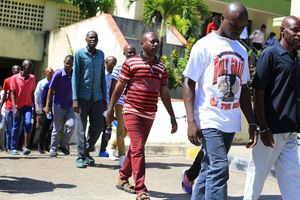
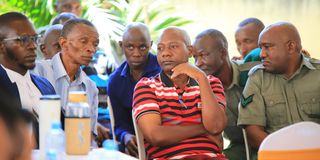
Pastor Paul Mackenzie (in stripped t-shirt) with his co-accused persons at the Mombasa Law Courts on October 19, 2026 after they were found them guilty in 191 counts of murder in the Shakahola case.
Photo credit: Kevin Odit | Nation Media Group
Two other suspects, Charles Mutua Musee and James Kazungu Kahindi, face separate charges of being accessories after the fact to murder. Musee is accused of harbouring one of the suspects at his home to help him evade arrest, while Kahindi is alleged to have assisted three other accused persons to evade arrest in Mombasa between July 19 and 21, 2025. All the accused have denied the charges. More than 45 witnesses have already testified in the case, which is nearing completion on the prosecution side.