There is a peculiar theatre that plays out in Kenyan politics every few years, and the costume department never seems to run out of fresh wardrobes. The same actors, wearing different masks, stride onto the stage and announce that they have discovered, at last, the plight of the ordinary Kenyan. The architects of suffering become its most vocal mourners. The gatekeepers of misery reinvent themselves as its most passionate opponents.
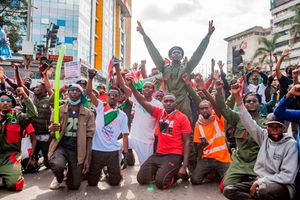
We are, once again, deep into the circus as 2027 elections approach. In June 2024, as unarmed young Kenyans were shot dead by police in the streets for daring to protest the Finance Bill, Ndindi Nyoro was not among the aggrieved.
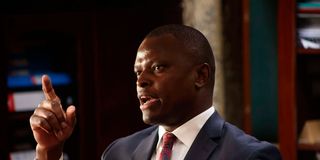
As chairman of the National Assembly’s Budget and Appropriations Committee, he was the legislative engine that carried the Bill forward. He told Kenyans the money raised would uplift their living standards. He accused opposition voices of spreading lies. He stood at podiums and assured the public that their views would be heard, even as the parliamentary division on June 20, 2024 recorded 204 ayes against 115 nays. Then, many young Kenyans were martyred in the streets. Today, Nyoro speaks the language of the dispossessed.
One is compelled to borrow the immortal question that former President Mwai Kibaki once posed when a political colleague underwent a similar awakening: How can he suddenly become very clever?
Nyoro is not alone in this remarkable transformation. Millicent Omanga, a fierce Kenya Kwanza mobiliser who faced widespread allegations, which she publicly denied, that her company secured a Sh1 billion tender to supply furniture to State Houses, has decamped to Rigathi Gachagua’s camp. Gloria Orwoba, until recently a UDA-nominated senator who wanted social media banned, was expelled from the party and has since called the same government she helped elect a gathering of “murderers and thieves”. Then there is Gachagua, the impeached Deputy President, once Kenya Kwanza’s most ferocious defender, now the loudest voice of Mt Kenya grievance.
The script is older than any of them. These same figures enabled the Uhuru Kenyatta regime and, when it became unfashionable, claimed the distance. They then enabled the Ruto regime and are now, once again, claiming the distance. A career built on two such reinventions requires no great imagination to complete. They will enable whoever comes next, collect what is available, and when the time comes, stand before the cameras looking aggrieved. The only constant is the finger pointed elsewhere.
The Africa Insight journal identified political opportunism as the primary constraint on African development, arguing that the continent’s politicians adopt principles only when they align with personal survival. The World Bank’s 2024 governance working paper on sub-Saharan Africa arrives at the same conclusion with greater bluntness: the privileged access of politically connected elites to State resources, public contracts and appointments is not an aberration of the system. It is the system.
The committee chairmanships, the nominations, the State House proximity, the tenders. These are the spoils of the game. And when the spoils dry up, the politician dresses his hunger in the language of the people.
Consider what happens when the Executive announces fuel price hikes of questionable legality. Parliament exists precisely for such moments, equipped with procedures to demand answers, invoke oversight mechanisms and challenge the Executive on the floor of the House. Instead, the MP books a television studio, reads from a prepared statement, and calls it accountability. The legislator who weeps on camera for the suffering Kenyan had the tools to prevent that suffering and chose the microphone over the mandate.
Parliament was designed as the citizen’s final line of defence, but it has been converted into a finishing school for the Executive’s ambitions. Legislators spend their terms managing their proximity to power rather than interrogating it. The Kenyan voter has been asked to audition this cast many times. They keep giving the same actors standing ovations.
Last Sunday, the people of Hungary decided otherwise. On a record turnout of 79 per cent, they swept Viktor Orbán from power after 16 years, delivering his opponent Péter Magyar a two-thirds parliamentary super-majority. Kenya’s 2027 election presents yet another opportunity to sweep all these clowns away. The names being offered as reformers signed off on the taxes, chaired the committees, sat in the front rows and applauded the speeches. The distance between them and the administration they now critique is not ideology but access. They were in the room until the day they were not, and they would very much like to return.
The voter who rewards their belated conversion is not choosing change, they are booking the next performance.
Mr Amenya is a whistleblower, strategy consultant and start-up mentor. www.nelsonamenya.com.