The Kenya Tea Development Agency (KTDA), which is affiliated with 700,000 small-scale farmers, has raised the prices paid for green leaf supplies.
The agency said that the prices of green leaf supplied to its 54 factories have been raised to between Sh26 and Sh30, depending on the zones the processing firms fall under.
On average, the KTDA-managed factories have been paying between Sh21 and Sh25 for a kilogramme of green leaf supplied by the small-scale tea growers.
“KTDA-managed tea factory companies have commenced the review of monthly payment rates to ensure compliance with applicable legal requirements and board guidance,” KTDA said in a statement.
In the new rates, which come into effect on February 1, 2026, the KTDA Holdings board of management has, however, capped the increment at Sh30 for those from the East of Rift (Mount Kenya) and Sh 26 for those from the West of Rift (Rift Valley and Western zones).
“The decision to revise monthly payments, including the final amounts payable, rests entirely with individual factory boards,” KTDA stated on Thursday.
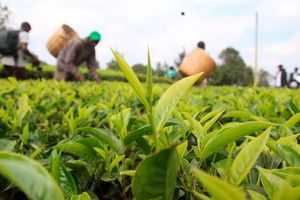
Workers harvest tea in Bomet County.
Photo credit: File | Nation
KTDA, however, said that the increase was not absolute and is “subject to each factory’s cash flow position and existing financial obligations.”
The review of payment rates has re-ignited a long-running debate on high disparities between prices offered to farmers in the West of Rift and those from the East of Rift regions.
Mr Benhard Kipkoech Ngetich, a Nakuru-based advocate, said the discrepancies in prices offered by KTDA factories for green leaf and the second payment, popularly known as bonus, are issues that should be addressed by the agency’s board and the government.
“Why should we have disparities in prices for the same produce going to the same markets and on the same trading floor – the Mombasa Tea Auction? There is a lot that the KTDA management and the Tea Board of Kenya (TBK) have to explain to farmers and stakeholders,” Mr Ngetich wondered.
Mr Joseph Rono, a tea reforms activist, said the skewed payment that favours farmers in the East of Rift was “both an institutional and historical challenge that has to be addressed once and for all so as to avoid a collapse of the industry.”
“Clearly, backed by scientific facts and market forces, the tea from the West of Rift is regarded as of high quality, with high demand from the market. The region has the highest concentration of multinationals offloading their produce to foreign markets in tons, yet KTDA pays the lowest to growers in the area,” Mr Rono said.
Mr Rono, an agricultural expert, said the planned transition of tea testing from a manual to a scientific one would partly help address the issue that has persisted for several years now.
The revision of prices also comes in the backdrop of boardroom changes that have seen the exit of Chief Executive Officer Wilson Muthaura, the search for his successor, with Francis Miano appointed to serve in the position in an acting capacity.