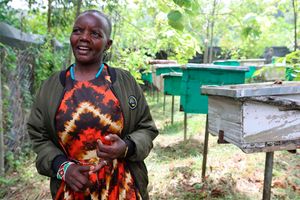
Dr Monica Olala is the Chief Animal Resources Development officer, who also oversees apiculture development under the State Department for Livestock. She speaks to Sammy Waweru of Seeds of Gold .
Is beekeeping an untapped area with huge potential?
Apiculture, especially honeybee farming, remains one of the most underutilised enterprises in Kenya. Many people only associate bees with honey. However, the insect’s biggest contribution is pollination.
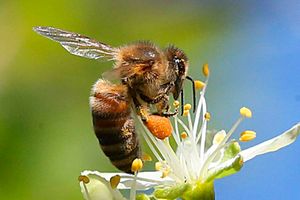
About 75 per cent of crops are pollinated by honeybees. This means they directly support crop production, food quality and farm productivity. If we invest more in beekeeping, we are not only increasing honey production, but also strengthening the wider agricultural sector.
How do bees support the livestock sector?
Bees pollinate fodder and feed crops used in livestock production. When pollination is effective, pasture and fodder yields improve. Kenya is currently meeting only about 40 per cent of feed requirements, leaving a 60 per cent deficit. This shortage affects dairy, beef and poultry farmers. Supporting bee populations is therefore one of the innovative ways of improving feed production and helping livestock farmers access quality feeds.
Dr Monica Olala, the Chief Animal Resources Development, which also oversees apiculture development under the State Department for Livestock Development during an interview on April 13, 2026 in Nairobi.
Photo credit: Sammy Waweru| Nation Media Group
What is the economic contribution of apiculture in Kenya?
The apiculture industry currently contributes around 2 per cent of livestock GDP. While that may appear small, its indirect value is much larger because bees support the entire agricultural economy through pollination.
Agriculture contributes between 22 and 30 per cent of Kenya’s national GDP, and without bees, productivity in many value chains would decline sharply. That is why beekeeping should be viewed as a strategic enterprise, not a side activity
How much honey is Kenya producing, and is there a deficit?
According to the 2024 survey, Kenya is currently producing about 19,000 metric tonnes of honey. Earlier records had placed production at 35,000 metric tonnes, which indicates a notable decline over time. This year, we plan to carry out another survey to determine the current demand versus supply position as of 2026. That will give us updated figures and help guide interventions in the sector.
Why has honey production dropped in recent years?
Several factors are responsible. The first is climate change, which affects flowering patterns, water availability and bee migration. Bees depend on healthy ecosystems and flowering plants. Prolonged droughts, erratic rainfall and land degradation reduce forage availability.
The second major factor is misuse of pesticides, which has negatively affected bee colonies and hive occupancy across many areas.
The desert locust invasion, which struck the country from 2019 through 2021 and severely affected Mandera, Wajir and Garissa counties, also harmed bee populations after chemicals used in control operations impacted the insects in the region. We need to be keen and careful of what we use in our farms.
Dr Monica Olala, the Chief Animal Resources Development, which also oversees apiculture development under the State Department for Livestock Development during an interview on April 13, 2026 in Nairobi.
Photo credit: Sammy Waweru| Nation Media Group
How do pesticides harm bees and honey production?
Pesticides are meant to control crop pests, but bees often become unintended victims. A clear example was during the desert locust invasion that moved through the Horn of Africa into Kenya. Spraying was necessary to control the pests, but it also affected honeybee populations.
After the exercise, many hives that had previously been colonised were no longer occupied, with occupancy dropping by up to 50 per cent in some areas. When bee numbers fall, pollination declines, honey production drops, and crop yields are also affected.
Why should farmers care about bees even if they do not keep hives?
Every farmer should care about bees because they provide an essential service to agriculture. They are natural pollinators. When bees disappear, certain crops cannot be pollinated properly, leading to lower yields and poor-quality produce. From where I stand, bees are valuable actors in the economy.
Just as institutions provide services, bees provide pollination services. Without that foundational role, much of what happens in agriculture would come to nothing. Even farmers who do not keep bees benefit when bee populations are protected.
What opportunities are available for stakeholders in the beekeeping sector?
One major opportunity is World Bee Day, marked annually on May 20. In 2026, Kenya will celebrate it at Mama Ngina Drive in the Coast region. We invite farmers, researchers, processors, input suppliers and the public to participate and exhibit.
The day helps educate people on the importance of bees as a source of livelihood and food security. Kenya has also been honoured to host the 2027 Bee Marathon, a global initiative that will bring stakeholders together to promote apiculture and pollinator conservation. Government will provide a conducive environment while mobilizing private sector support to make the event successful.
What is your message to farmers and investors as far as apiculture in Kenya is concerned?
Beekeeping should be taken seriously as both an income-generating venture and a support system for agriculture. Farmers can earn from honey, wax and other hive products while improving crop yields through pollination.
Investors should look at processing, value addition, packaging and market development. Counties should also support tree planting and reduce harmful pesticide practices. If we protect bees, we protect food production, livestock systems and livelihoods.