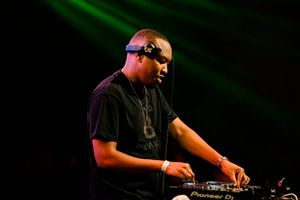
Eric Obuya, a Kenyan comedian, content creator, and master of ceremonies known as MC Exodus, has built a career on making audiences laugh, from his stand-up comedy days to viral skits that have made him a familiar face on social media.
In an interview with the Daily Nation, he reflects on his journey, the business of brand endorsements, the hardships he has faced and his plans to invest Sh3.5 million in a studio to nurture upcoming talent.
My name is MC Exodus. I am a content creator, actor and MC.
When I left school, I started as a DJ. Along the way, I met some friends who introduced me to Churchill (comedian Daniel Ndambuki). I started auditioning at Carnivore [a restaurant where comedy shows would be held] in 2015. We did a lot of stand-up comedy until the Covid-19 pandemic came, forcing us to take a break because there were no shows.
That was when TikTok gained popularity in Kenya, and people started doing skits. At the time, I was mostly working in church. I began thinking about why I couldn't take what I was doing there, shoot it and share it on social media.
When I started, I was using someone else's platform. I worked with that person for eight months, and we shot videos which we posted every day. We grew the account from about 15,000 to around 85,000 followers. After that, I went back and started my own account from scratch.
Your ‘EH’ reaction has become one of your trademarks. How did it come about, and how much of the character is drawn from your own life?
The character came out of a lot of passion. Working with different celebrities and comedians is not easy. There was a time when I took a break from working with other people and tried to do my own thing. The idea came to me, and I tried it once. It worked well.
It was actually a build-up. I introduced the character within another concept I was already doing. When I saw how well people responded to it, I continued with it.
The content went viral almost every time I posted it. The comments, engagement and shares showed that people were connecting with it. Everywhere I went, people were doing that reaction. It became something people associated with me.
What goes into creating your content, from developing ideas to shooting and editing?
It takes a lot because you have to think. You have to come up with something new every day, while also thinking about the character people already know and how to relate to them. You also need to work with people who believe in you and have your interests at heart.
They should understand that you are building something through your ideas. Then there is the editing and posting. It is a lot of work.
Do you have a team that helps you, or do you do it alone?
I do most of it alone, unless I have big projects, such as the ones I do for YouTube. For short skits, you need to work quickly and remain consistent. You have to keep up with the pace or find someone who can work at the same speed as you.
When did you first start making money from content creation, and what was that experience like compared with where you are today?
When I started, it was exciting because I was simply doing what I loved. Someone could call me and ask me to do what I enjoyed, and that made me very happy. I continued doing it and being creative. The more you expand, the more you attract opportunities.
Between comedy, brand endorsements and hosting events, which brings in the most money? How do you balance these different sides of your career?
For now, brand influencing brings in the most money. I am also a professional MCee. There are some MCee gigs that can pay you an amount you might have to wait a month to earn elsewhere. With influencing, it depends on the season and the timing.
All these things are gifts. They are things that are inborn in you, not things you go out and trade for. They are things God has put in you to help you live and make the world a better place.
You just pray that God helps you identify them early so that you can start doing them and learn to love them. When you do, you become unique.
Being an MCee is about speaking, arranging your words, managing an event and knowing how to run it. You can also learn from people who have done it before you. You do not necessarily have to go to school to learn these things; some come naturally.
When you are natural, people tend to see you as unique. That is what they pay for: the value you bring. They see you as different. But we are all the same in that everyone has their own strength and potential.
It comes from the story of Exodus in the Bible, about the children of Israel leaving the land of slavery for the Promised Land.
That is why we are here: to help young people who may not find their way. We want to help them understand that there is so much within them and help them move towards their destiny.
We want them to identify the possibilities within themselves and understand that there is so much to life.
When a brand approaches you for a collaboration, how do you price your work? Can you give us an idea of what you charge for a typical deal?
It depends. The brands that approach you on Monday may be different from those that approach you on Friday. Not all brands are at the same level. A brand that is small today could become big tomorrow.
I do not have a fixed figure that I can mention. I could make Sh10,000 on Monday and Sh1 million on Friday.
I do not like talking about figures because, once we focus on the numbers, we risk losing sight of the value.
How has your relationship with money changed, and what financial lesson do you wish you had learnt earlier?
We tend to make so many plans with money we do not have. Instead of focusing on what we can do to generate that money, we spend time thinking about what we would do if someone gave us this amount or that amount. I reached a point where I realised I did not have to think that way.
I had to do something that would create value so that people could start paying me for it. I do not have to ask or beg. I just have to do what I need to do to become independent and add value to my own pocket.
It has changed. Money is a reward. Whenever money comes into our lives, it comes with demands. It either has something that needs to be done with it or someone who needs help. If you have discipline, you do not have to keep worrying about it. You simply know that when money comes in, it has a purpose and you allocate it accordingly. Once you have that discipline, you can focus on other things.
What was the lowest point in your journey, and what helped you keep going?
There have been many low points. I would say that three-quarters of my life on earth has been filled with pain. But, as they say, for you to shine, you have to go through difficulties. Even getting a diamond or gold involves a process.
At one point, I did not even have shelter. Despite that, I believed tomorrow would be better. I kept working with whatever I had, every single day, believing that things would eventually work out. I also listened to the stories of people who had made it.
I would look at someone who had been in a difficult situation and think that, ‘if they had made it, I could also make it with what I had.’ Everyone has their season in life. If you are going through a difficult time, it is your season to experience and learn from it. Come out of it refreshed and stronger.
There is no situation that should make you give up. You have to toughen your skin and go through it. You will come out alive, and people will celebrate you.
As your profile has grown, have you found it harder to maintain genuine relationships? How do you tell who is interested in you and who is interested in your fame?
When you build something from scratch, you understand the pain and sacrifices that come with it. When someone comes into your life, you should be able to put those sacrifices and difficulties on the table first. If they run away, then you know they may not be there for you when things get difficult.
If you meet someone and begin with enjoyment, you may struggle when the time comes to work and make sacrifices. Can we start from scratch together and see what we can build? Can we work together and see whether we can make something of it?
What is the hardest part of making a sustainable living as a content creator in Kenya, and what needs to change in the industry?
The problem is that talent is not always recognised because social media is now full of noise. Anybody can do anything, and it can trend and become popular. I think it is time we started identifying the people who are serious about what they do and who put real effort into their work.
Even Jesus Christ was criticised. You have to find a way to deal with criticism. I can eat, sleep, wake up, go to the gym and do my work. I am okay.
Beyond your online following, what would you like to build over the next five years?
I have a studio, and we are working on several things, including live streaming. We will be having different shows. Between now and December or January, we plan to launch something big that will provide a great platform for young people.
I also have a show in town called X-Street Show, which takes place every Sunday afternoon. We are creating opportunities for young people, particularly those on TikTok. The platform has over 70,000 followers.
I have plans beyond comedy. I have always wanted to be a radio presenter, too. That is something I still want to pursue.
How much will you invest in the studio, and what do you hope to get in return?
Furnishing and setting up the studio will cost me around Sh3.5 million. What I hope for most is the impact it will create. That impact is greater than how much I make or how much the studio will generate for me.
I believe that tomorrow I could create five superstars who go on to do well in the world. Can I still talk about how much money the studio will make for me? No.
If you stop thinking only about how much money something will make and start thinking about the impact it will create, you begin to see life differently.
Let us focus on building, not hating. Whenever we see an opportunity, let us embrace it. If one person succeeds, society can change. If we adopt that mentality and start building other people, we will have a better future.