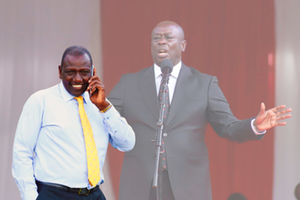
Deputy President Kithure Kindiki has renewed his bid to block medical evidence showing his predecessor, Rigathi Gachagua , was hospitalised during the Senate impeachment proceedings.
Prof Kindiki has filed a Notice of Appeal challenging a High Court ruling that dismissed his bid to expunge the evidence and instead allowed cardiologist Dr Daniel Gikonyo’s affidavit and hospital records to remain part of the impeachment case.
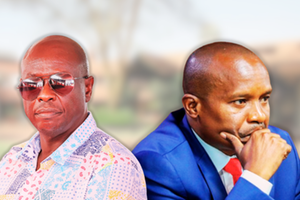
A fierce political battle has broken out over the Mt Kenya East voting bloc, featuring five distinct factions led by high-profile leaders including DP Kithure Kindiki and former DP Rigathi Gachagua.
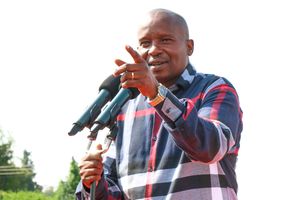
Photo credit: DPCS
The latest move shifts the ongoing constitutional battle from parliamentary procedure into an increasingly aggressive fight over medical evidence.
This is even though Mr Gachagua has since closed his case against the impeachment, leaving his co-petitioners, the respondents and interested parties, led by Prof Kindiki, battling in court.
Prof Kindiki does not want the cardiologist’s affidavit, accompanied by hospital records and a discharge summary, to remain part of the petitioners' evidence that Mr Gachagua was unfairly removed from office.
In the Notice of Appeal filed before the High Court’s Constitutional and Human Rights Division, Prof Kindiki says he is dissatisfied with the May 7, 2026, ruling admitting the evidence into the court record.
At the centre of the dispute is Dr Gikonyo’s affidavit stating that Mr Gachagua was admitted at Karen Hospital on October 17, 2024, with severe chest pain while the Senate impeachment proceedings were underway.
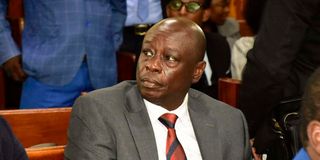
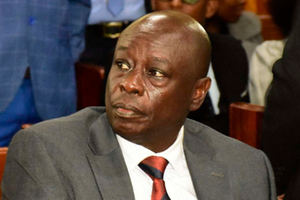
The founder and Director of The Karen Hospital, Dr Dan Gikonyo, testifies in the ongoing Impeachment case against former Deputy President Rigathi Gachagua at the Milimani High Court.
Photo credit: Billy Ogada | Nation
The doctor also appeared in court to testify orally and informed the court that the former Deputy President was genuinely ill and under medical care.
During the hearing of the case last week, Mr Gachagua’s advocates said the Speaker of the Senate, Amason Kingi, was made aware of Mr Gachagua's health condition, and the senators sympathised with him before they rejected his request for adjournment of the proceedings.
The court heard that they further went ahead to vote on the impeachment motion, with the advocates now arguing that he was denied his right to a fair hearing.
The affidavit also introduced politically sensitive claims that President William Ruto personally telephoned the cardiologist to inquire about Mr Gachagua’s health condition.
“While the first petitioner was under my care, I received a telephone call from the President of the Republic of Kenya, H.E William Ruto, who inquired as to the first petitioner’s condition,” Dr Gikonyo stated in the affidavit.
“I confirmed that the first petitioner had indeed been admitted at Karen Hospital, Nairobi and was receiving treatment under my care,” he added.
The affidavit became one of the most contested pieces of evidence in the impeachment litigation after respondents questioned its timing, authenticity and medical consistency.
However, the High Court declined attempts by Prof Kindiki and the Senate to strike it out, ruling that the evidence would remain on record while allowing respondents to respond and cross-examine the doctor.
The ruling opened the door for dramatic cross-examination sessions in which Dr Gikonyo defended the hospitalisation and dismissed allegations that Mr Gachagua checked into the hospital to evade impeachment.
Former Deputy President Rigathi Gachagua and his wife Dorcus Rigathi leaving Milimani Law Courts on May 13, 2026, after the hearing of his legal challenge against his 2024 impeachment.
Photo credit: Billy Ogada | Nation
“He was sick. We admitted him, and data and records are available on demand by this court,” the cardiologist stated.
The courtroom exchanges exposed sharp disagreements over conflicting timelines in hospital documents, missing identifiers and whether the medical records conclusively proved the patient was Mr Gachagua.
Lawyers representing the Senate and Prof Kindiki alleged discrepancies in the discharge summary, including records reflecting discharge on November 20, 2024, instead of October 2024.
But Dr Gikonyo insisted the inconsistencies had been explained and did not change the substance of the medical evidence.
The doctor also defended the use of initials “R.G” instead of the patient’s full name, telling the court the hospital deliberately protected patient confidentiality.
“It deliberately does not disclose the identity of the patient,” he testified.
The medical evidence is central to the petitioner’s argument that the Senate breached Gachagua's constitutional right to a fair hearing by proceeding with impeachment while he was hospitalised.
Petitioners argue the Senate ignored medical circumstances relayed by his lawyers and rushed through a politically-charged process that culminated in his removal from office the same night.
The Senate later upheld five charges against him before President Ruto nominated Prof Kindiki as his replacement.
Lawyers for Mr Gachagua have argued throughout the hearings that the hospitalisation evidence introduces a critical factual layer into the constitutional challenge.
They maintain that the affidavit supports claims that the Senate proceeded despite knowledge that the former Deputy President was under active medical care.
The appeal raises the stakes in a case already loaded with political and constitutional implications.
If the Court of Appeal overturns the High Court ruling, some of the most politically explosive evidence linking Mr Gachagua’s illness, the Senate proceedings and President Ruto’s alleged inquiry into his condition could be excluded from the case record.
The hearing of the consolidated petitions continues before the three-judge bench on May 22, 2026.