In the next one week, climate delegates will be arriving at the Antalya Expo Centre in Türkiye, for the 31st Conference of the Parties to the UN Framework Convention on Climate Change (COP 31).
The run-up to the summit has been dominated by calls for more action, and less talk, but can this COP 31 really move the world from commitments on paper to changes people can see and feel in their quotidian lives? Can it truly deliver on the promise of ‘implementation’ that its organisers have presented as a key measure of success?
And there are good historical reasons to be sceptical, and dismiss the upcoming summit as yet another talking shop, where no consequential decisions can emanate.
At the third COP meeting in 1997, for instance, developed countries accepted legally-binding targets under the Kyoto Protocol to cut emissions, but the agreement covered only a limited share of global emissions. In fact, some of the most consequential emitters, such as the United States, did not ratify the agreement.
Later, at the Copenhagen Summit in 2009, countries agreed to a US$100 billion a year in climate finance that would flow to developing countries by 2020. The target was only reluctantly met in 2022, but even then, the finance has remained unevenly distributed at best, and largely ineffective at worst.
A similar grievance remains about adaptation finance, which critics characterise as woefully inadequate, difficult to access and too often debt-creating.
Indeed, even the pledge at the Paris summit to keep warming well below 2°C and pursue 1.5°C, remains off mark. According to the UNEP Emissions Gap Report 2026 released ahead of the COP, the world is on course to exceed the 1.5°C threshold. The report warns that even if countries fully delivered their existing pledges, warming could still reach up to 2.6°C by 2100.
In fact, limiting that overshoot and returning to 1.5°C later in the century would require global emissions to fall 18 per cent by 2030 and 45 per cent by 2035, compared with 2025 levels.
The urgency is therefore unmistakable, and COP 31 has no luxury of parading past failures as an excuse for continued inaction. But African delegates must remain clear-headed if they are to change that historical arc of shame.
First, they must insist on making implementation measurable. Countries have national climate plans, adaptation plans and targets. But these commitments can only be meaningful if they are translated into policy, tangible public investments, predictable regulation and effective delivery on the ground.
In particular, the delegates should push governments to show how their targets will be funded, who is responsible for carrying them out, and how progress will be reported. They should demand that the COP make space for countries that need support to prepare projects, strengthen institutions and turn plans into programmes that can be delivered.
Second, Africa must push the conference to advance an energy transition that is clean, reliable and fair. This means expanding renewable power and electrification, while investing in the grids, storage and other infrastructure needed to make them dependable.
For instance, the mnemonic “35 by 35” pledge, seeking to raise electricity’s share of global final energy consumption to 35 per cent by 2035, offers a practical measure of ambition. But the target will mean little to communities if they have no reliable power or affordable connections in the first place. The transition must expand access, create decent work and recognise different national starting points.
Third, COP31 must, undoubtedly, focus on pushing developed countries to meet their emissions reduction obligations, but with the damage already done, even the strongest emissions cuts will not prevent all the warming and impacts in the pipeline. The delegates must therefore demand that adaptation and resilience are treated as core climate action.
Emissions driving climate change
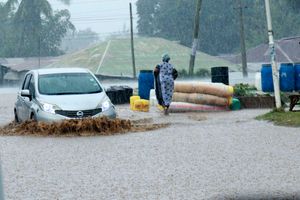
For Africa, this means functional early warning systems, secure water supplies, climate-resilient agriculture, strong public services and infrastructure built for greater extremes.
Fourth, and perhaps more crucially, the delegates must demand clear follow through on climate finance. COP30 called for finance from all public and private sources to scale up to at least US$1.3 trillion a year for developing countries by 2035, and for adaptation finance to be at least tripled by that year. COP31 should clarify how these commitments will be delivered, where the money will come from, and how countries that need it will access it.
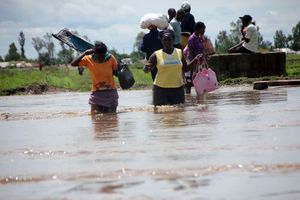
Finally, for Africa, no COP should end without the sobering reminder that the continent has contributed relatively little to the emissions driving climate change, yet its people are already exposed to serious losses. Of course, African governments have choices to make too, but they should not be asked to carry the cost of a global transition without the finance, technology and policy space to shape it.
Granted, COP31 cannot resolve every disagreement or erase all the consequences of historical injustice. But it can, undoubtedly, make the next phase of climate action more concrete with measurable plans, faster clean energy deployment, accessible finance and credible follow-through on the transition away from fossil fuels.
Dr. Ageyo is the Editor-in-Chief of Nation Media Group - Uganda. He holds a PhD in media studies with research interests in science, environment and climate change communication.