A Kenyan man wants sexual dysfunction recognised as a disability under the law.
In a petition filed with Parliament for consideration, Dr Benson Kibore says cases of erectile dysfunction and low desire, a condition known as hypoactive sexual desire disorder (HSDD), need legal and policy intervention.
He says sexual dysfunction, once largely associated with older men and women, is increasingly being seen among younger Kenyans. He points to a 2026 study by Onyango et al., published on medRxiv, titled “Erectile Dysfunction in Young Men in Nairobi County, Kenya: A Community-Based Study,” as evidence.
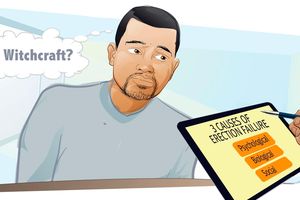
Many patients assume erectile dysfunction is purely psychological or inevitable with age.
Photo credit: Shutterstock
The study, his proposal notes, shows that 10.4 percent of the young men studied, with a mean age of 27.4 years, suffered erectile dysfunction and therefore cannot perform their sexual obligations as required by society.
“Therefore, low libido associated with erectile dysfunction is no longer a disability of the elderly but a serious condition of the youth,” Dr Kibore said in his proposal to the National Assembly and Senate.
Dr Kibore adds that “HSDD requires the attention of the National Assembly and the Senate to secure therapy for women who require medical attention and be treated as a public health concern rather than a private matter.”
He says the effects of sexual dysfunction extend to mental health, family stability and reproductive wellbeing and thus require the attention of Parliament to secure therapy for patients.
The July petition cites marital dissatisfaction, emotional distance, psychological and emotional distress, relationship breakdown and spousal infidelity among the challenges faced by Kenyans living with these conditions. The others include emotional strain on children and behavioural changes in the family.
“A man or woman’s behaviour may shift to avoid intimacy, such as staying up late or returning home late, which alters the family routine,” the petition says.
If Parliament adopts the proposal, changes would be required to existing laws and policies, including the Persons with Disabilities Act, the Social Health Insurance Act (SHIA) and tax laws.
Kenyan man wants Parliament to recognise sexual dysfunction as a disability.
Photo credit: Shutterstock
For instance, changes to the Persons with Disabilities Act will require redefining qualifying, clinically diagnosed chronic sexual dysfunctions to fit the disability criteria.
Section 35 of the Persons with Disabilities Act allows persons with disabilities earning an income to apply for exemptions from tax obligations like income tax and other levies through the National Council for Persons with Disabilities (NCPWD) and the Kenya Revenue Authority (KRA).
If approved, SHIA will also have to be amended so that assessment, counselling and medical treatments can be covered or facilitated through the Social Health Authority (SHA).
The high cost of treating sexual dysfunction in both men and women has put care beyond the reach of many Kenyans. Most patients pay out of pocket, with consultation fees at private hospitals starting at about Sh5,000 and treatment costs running into hundreds of thousands of shillings. Penile surgery, where required, can cost more than Sh1 million.
If the proposal is approved, modifications will also have to be made to national policies, for instance, directing the Ministry of Health to formulate formal clinical guidelines and public awareness frameworks on what constitutes sexual dysfunction severe enough to qualify as a disability. For instance, not all Kenyans with visual impairments are classified as “legally blind” and therefore qualify for tax exemptions.
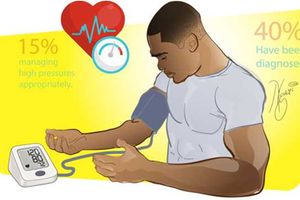
Dr Kibore also cites another study, saying it found a close link between libido and cardiovascular disease. He says the study concluded that maintaining a healthy libido may benefit men’s heart and overall health, and HSDD has been associated with psychological or psychiatric conditions.
“The stigma surrounding male and female sexual dysfunction often prevents men and women from seeking help, which prolongs the suffering within the family,” says Dr Kibore.